The Art of Riding
Mason O'Donnell
| 30-01-2026

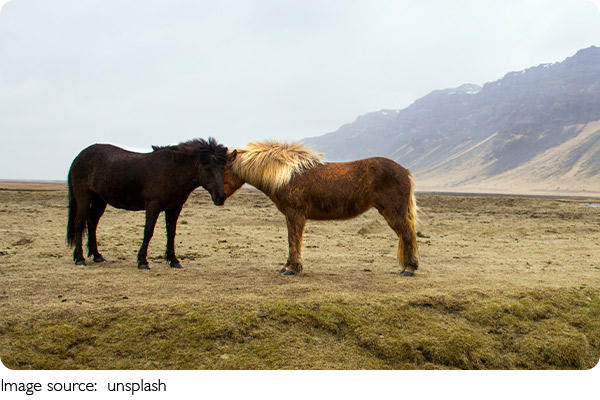
Horse riding is often described as a sport, but experienced riders recognize something deeper.
Riding is an art shaped by timing, sensitivity, and communication between two living beings.
It is not defined by speed or spectacle alone, but by a quiet conversation expressed through posture, balance, and intention. Mastery in riding does not come from dominance, but from harmony—a balance that transforms movement into expression.
Horse as a Thinking Partner
A horse is not a machine responding to buttons and levers. It is a perceptive animal with its own instincts, emotions, and physical limits. Horses read body language with extraordinary precision, often reacting to tension or hesitation before a rider becomes aware of it. Successful riding begins with respecting that sensitivity.
The surprises nobody warns you about on your very first run.
The small beginner habits that quietly improve every swing!
Experience the Thrill of Flight and the Secrets to Stay Safe!
Discover What Makes the UCI Gravel World Championships a True Challenge!
How the Right Ice Boots Can Transform Your Balance and Jumps!
Discover practical tips to overcome performance anxiety on the tennis court.
Experienced riders study equine behavior and anatomy to communicate clearly and fairly. They recognize signs of discomfort, fatigue, or confusion through changes in rhythm, ear position, or stride length. This awareness allows the rider to adjust requests, building trust rather than resistance. When a horse feels understood, cooperation replaces force.
Balance: The Foundation of All Riding
True balance is the cornerstone of effective riding. A balanced rider sits in alignment, allowing the spine, hips, and legs to follow the horse’s motion without restriction. This balance is dynamic rather than fixed, constantly adapting to changes in gait, terrain, and direction. It shifts from stride to stride, especially during transitions.
An unbalanced seat disrupts the horse’s natural movement, placing strain on muscles and joints. Conversely, a centered rider allows the horse to move freely, conserving energy and maintaining rhythm. Achieving this balance requires core strength, flexibility, and consistent practice, often refined through subtle corrections rather than dramatic changes.
The Language of Aids
Riding communication relies on a system of aids—legs, seat, hands, and voice—used in coordination rather than isolation. Each aid has a specific purpose, but clarity depends on timing and restraint. Excessive pressure dulls responsiveness, while inconsistent signals create confusion.
Advanced riders aim for invisible cues. A slight shift in weight can initiate a turn; a softened hand can encourage relaxation. The goal is rarely to apply stronger aids, but to refine them until the horse responds to minimal guidance. This precision reflects respect for the horse’s sensitivity and intelligence.
Training with Biomechanics in Mind
Effective riding aligns with the horse’s natural biomechanics. Horses carry more weight on their forehand by nature, so training focuses on developing strength in the hindquarters to improve balance and longevity. Correct schooling encourages engagement from behind, lifting the back and allowing freer movement through the shoulders.
Poor riding habits can compromise this balance, leading to discomfort or injury. Knowledgeable riders prioritize gradual conditioning, varied exercises, and adequate recovery. Circles, transitions, and changes of pace are not performed for repetition alone, but to build coordination and muscular symmetry.
Emotional Control and Mental Presence
Riding demands emotional discipline. Horses respond to the rider’s mental state, often mirroring anxiety or calmness. Frustration, impatience, or distraction can undermine even the most technically correct aids.
Skilled riders cultivate mental presence, staying attentive to each stride rather than anticipating mistakes. This focus fosters confidence in the horse, creating a partnership built on reassurance rather than pressure. Riding becomes a dialogue, not a confrontation.
Tradition, Ethics, and Responsibility
The art of riding is shaped by centuries of tradition, yet modern horsemanship increasingly emphasizes ethical responsibility. Understanding welfare, proper tack fit, and humane training methods is essential to honorable riding. True artistry is measured by longevity and well-being. A horse that remains willing, sound, and expressive over years of work reflects thoughtful training and respectful handling.
At its highest level, riding transcends technique. Movements flow seamlessly, and effort becomes nearly invisible. Horse and rider appear to share a single intention, responding to each other without hesitation. This unity is not achieved quickly. It is earned through patience, study, and humility. Each ride offers new lessons, reinforcing the understanding that mastery is never final.
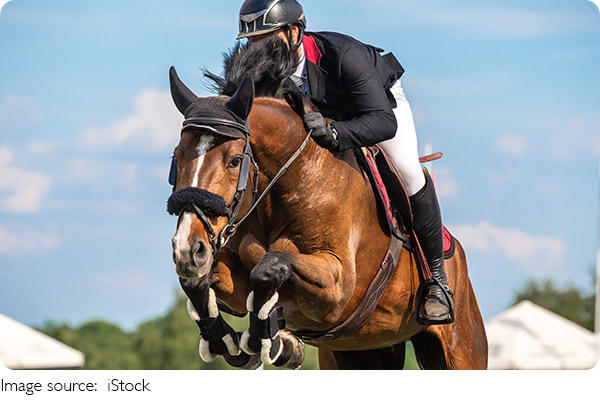
In the quiet moments when hoofbeats settle into rhythm and communication feels effortless, the rider discovers that the true art of riding lies not in control, but in connection—and once felt, that connection draws you back to the saddle.