PERODUA: 5 Men's Single!

Pankaj Singh
| 18-05-2026

The PERODUA Malaysia Masters 2026 is not just another stop on the BWF calendar—it represents a critical battleground in the mid-season stretch of the global tour. Held from 19–24 May 2026 at Kuala Lumpur’s Axiata Arena, the Super 500 tournament carries a substantial prize pool of USD 500,000 and valuable ranking points that often influence Olympic qualification cycles and world rankings.
Among the men’s singles seeds, five names stand out not merely for ranking positions, but for the tactical narratives and rivalries they bring: Kunlavut Vitidsarn, Shi Yu Qi, Anders Antonsen, Jonatan Christie, and Christo Popov. Each arrives with distinct momentum, technical identity, and psychological stakes.
ot sure what to do? These simple activities make Mother’s Day special!
Not sure what to give this year? These thoughtful ideas bring a real smile to her day!
Nevers blends palace terraces, painted ceramics, and river-slow days — plan easy routes and craft-filled hours in a calm French city.
Trade canals for sails—Zaanstad’s mills, cheeses, and wooden houses make the perfect, easy escape into Dutch craft life.
Find your perfect Zion base—Springdale sunrise suites, quiet canyon camps, or city comforts—all priced and timed for easy planning.
Cape cliffs, city art, and sunrise safaris—South Africa proves adventure and calm can fit perfectly in one unforgettable trip.
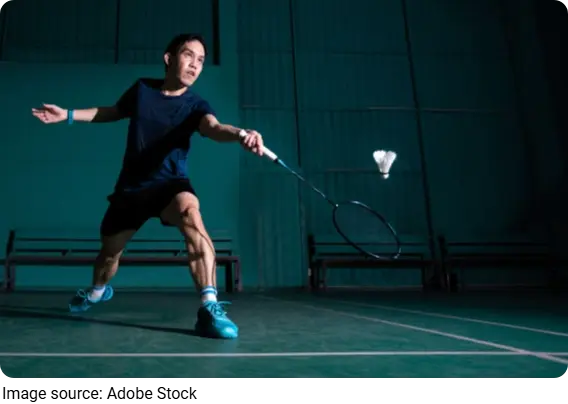
1. Kunlavut Vitidsarn: Precision and Composure of a Modern Champion
Thailand’s Kunlavut Vitidsarn enters as the top seed, backed by a historic rise that saw him become the first Thai men’s singles world No.1. His 2025 season alone included victories at the Asian Championships and Singapore Open, demonstrating consistency across different playing conditions.
What defines Kunlavut is his ability to control tempo. Unlike power-heavy players, he thrives on rally construction—drawing opponents into extended exchanges before exploiting small positional errors. His recent dominance over Jonatan Christie, including a commanding straight-game win at the World Tour Finals, highlights a growing psychological edge. In Kuala Lumpur, his challenge is less about skill and more about sustaining mental sharpness against players who are increasingly familiar with his patterns.
2. Shi Yu Qi: Tactical Intelligence with Championship Pedigree
China’s Shi Yu Qi stands as arguably the most tactically complete player in the field. The reigning world champion has built his reputation on adaptability—shifting between aggressive pace and defensive resilience mid-match. His 2025 campaign included titles at the All England and China Open, along with a landmark World Championship victory.
Shi’s rivalry with Kunlavut has become one of the defining duels of this era. Their World Championship final showcased contrasting philosophies: Kunlavut’s patience versus Shi’s controlled aggression. Shi ultimately prevailed, underlining his ability to handle pressure in decisive moments.
3. Anders Antonsen: Scandinavian Power Seeking Stability
Denmark’s Anders Antonsen brings a different dimension—explosive offense combined with physical intensity. At his peak, he is capable of overpowering any opponent, as shown during his four-title run in 2024, including a Super 1000 victory in Malaysia .
However, inconsistency and injury interruptions have affected his recent campaigns. Despite these setbacks, Antonsen remains dangerous in knockout formats where his aggressive style can quickly dismantle less stable players.
His matches against Shi Yu Qi are particularly compelling: a clash between calculated strategy and raw attacking force. When Antonsen controls the net and initiates early attacks, he becomes nearly unstoppable—but maintaining that level across multiple rounds remains his biggest challenge.
4. Jonatan Christie: Indonesia’s Tactical Counterpuncher
Jonatan Christie enters as Indonesia’s leading contender, known for his defensive discipline and counterattacking instincts. His ability to absorb pressure and convert defense into offense has delivered key victories, including wins over top-tier opponents in major finals.
Yet, recent results indicate a gap when facing the very top echelon. Losses to Kunlavut and others in high-stakes matches suggest that while Christie is tactically sound, he sometimes struggles to dictate matches against aggressive or highly consistent rivals .
In Malaysia Masters, his path to the title likely depends on shortening rallies and increasing attacking initiative—areas where he has shown improvement but still seeks consistency.
5. Christo Popov: The Emerging European Disruptor
France’s Christo Popov represents the new wave. His rapid rise includes a historic run to the World Tour Finals final, making him the first French men’s singles player to reach that stage. Popov’s style is built on speed, anticipation, and fearless shot selection. He has already demonstrated his ability to upset established names, including victories over Jonatan Christie and Anders Antonsen in recent tournaments.
What makes Popov particularly dangerous is unpredictability. Unlike more structured players, he thrives in chaotic rallies, often forcing opponents into uncomfortable positions. The Malaysia Masters could be the stage where he transitions from contender to consistent title threat.
The 2026 Malaysia Masters men’s singles draw is not just about rankings—it is about stylistic contrasts. Kunlavut’s patience, Shi’s adaptability, Antonsen’s aggression, Christie’s defense, and Popov’s unpredictability create a rare competitive balance. With 9,200 ranking points awarded to the champion, the stakes extend beyond a single title; they influence the global hierarchy in a season where margins between the top players are increasingly narrow.
As these five athletes converge in Kuala Lumpur, the tournament becomes more than a competition—it evolves into a narrative of control versus chaos, experience versus emergence. And in that tension lies the true intrigue: not just who will win, but who will redefine the direction of men’s singles badminton in 2026.