Snowy Gassho Village

Ethan Sullivan
| 04-02-2026

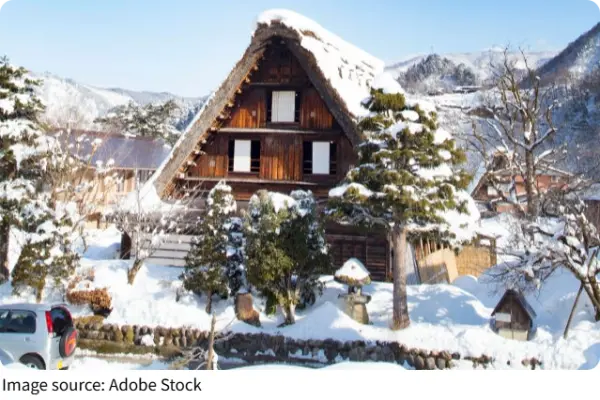
Let’s begin in Shirakawa-go, a UNESCO World Heritage village tucked away in Gifu Prefecture, Japan. Famous for its gasshō-zukuri houses—steep, thatched roofs shaped like hands held together—the village offers a memorable look at traditional rural life.
Surrounded by snow-capped mountains, Shirakawago is not just scenic; it’s a living history museum where each house, river, and street tells a story of resilience and harmony with nature.
Best Time to Visit
We find Shirakawago enchanting year-round, but your experience depends on the season:
- Winter (December–February): Snow blankets the village, and evenings bring cozy illumination. This is peak photography season.
- Spring (April–May): Fresh greenery and blooming flowers make the valley lively and vibrant.
Explore Frederiksborg Castle: Complete Travel Guide with Tickets, Transport, Accommodation, Dining, and Tips!
The Complete Capitol Reef Travel Guide: Costs, Where to Stay, Eat & How to Get There Without Breaking the Bank!
Discover Dublin at Dusk: Magical Streets, Shimmering River Views, Cozy Cafés, and Evening Charm!
Museums, music, waterfront walks—plan a lively Liverpool break with prices, timings, routes, and easy, no-fuss tips.
From Europe's heftiest capstone to scented sensory gardens—Carlow is small, surprising, and soothing.
Swap clichés for reef dives, forest hikes, and city squares—Trinidad & Tobago packs wonder into short, seamless trips.
- Autumn (October–November): The mountains turn gold and red, creating breathtaking scenery.
- Summer (June–August): Ideal for hiking nearby trails, though warmer and busier.
For a quieter experience, weekdays are recommended, as weekends attract large tour groups.
Shirakawa-go
Opening Hours and Tickets
Most gasshō-zukuri houses are open daily from 9:00 AM to 5:00 PM:
- Wada House: $5 per person, featuring traditional interiors and farming tools.
- Kanda House: $4 per person, showcasing silkworm cultivation and family life.
Walking around the village is free. The Shiroyama Viewpoint is free to access, and some visitors use a paid shuttle bus (about $2 one-way) instead of walking, depending on conditions.
Transportation
Shirakawago is remote but accessible:
- From Takayama: Direct buses from Takayama Station take about 50 minutes, costing $10 one-way. Buses run every hour.
- From Kanazawa: Direct buses take about 1.5 hours, $14 per one-way trip.
- By Car: Renting a car allows flexibility, but parking is limited near the village; parking fees are around $3–$5.
Once in the village, exploring on foot is best. Local shuttle buses help visitors reach some remote houses or viewpoints.
Accommodation Options
Staying in a gasshō-style inn offers a full cultural experience. Options include:
- Shirakawago no Yu: $120–$150 per night, including breakfast and onsen (hot spring) access.
- Family-run guesthouses: $80–$100 per night, cozy and authentic, often with home-cooked meals.
Booking in advance is strongly recommended, especially in winter or during festivals.
Dining and Local Cuisine
Shirakawago offers local Hida specialties:
- Hida potato croquettes: $4–$6 each, a must-try street snack.
- Soba noodles and rice dishes: $8–$15 per meal, often using locally grown ingredients.
- Local cafes: $3–$6 for tea, coffee, and sweets.
We recommend trying small family-run restaurants, which provide not only delicious food but also insight into village life.
Must-See Attractions
- Shiroyama Viewpoint: Perfect for panoramic photos of the village rooftops and surrounding mountains.
- Wada House & Kanda House: Iconic gasshō homes open to visitors.
- Shirakawago Museum: Exhibits traditional tools, crafts, and the history of the village.
- Local festivals: Seasonal events feature traditional music, dance, and crafts, giving visitors a lively glimpse into village culture.
Practical Tips for Visitors
- Wear sturdy, comfortable shoes; streets are uneven and steep.
- Bring cash, as many shops and inns don’t accept cards.
- In winter, layer clothing and wear waterproof footwear.
- Early mornings or late afternoons provide the best light for photography and fewer crowds.
- Respect local residents, especially when entering homes or inns.
- Carry a small backpack with water and snacks if planning to walk or hike.
Why Shirakawa-go Stays With You
Shirakawa-go is more than a scenic stop—it’s a calm, carefully preserved window into how people adapted to heavy snowfall and steep terrain over centuries. Between the bold rooflines, quiet streets, and thoughtful hospitality, the village leaves many visitors with a lasting sense of beauty and balance.