Fiber Health Boost

Ravish Kumar
| 29-12-2025

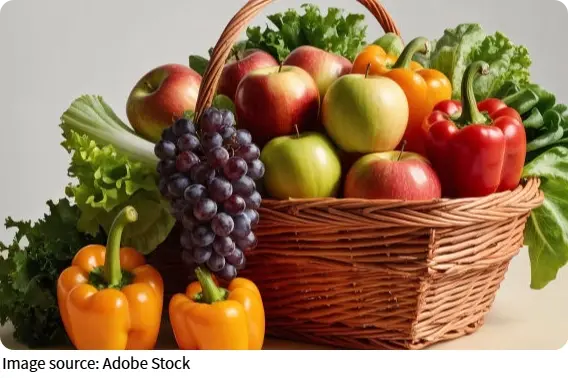
We all want to stay healthy and energetic every day, and one of the easiest ways to do that is by eating more fiber.
Fruits and vegetables are natural powerhouses of dietary fiber, and including them in our meals can make a real difference for our digestion, weight management, and overall well-being. Let’s explore how fiber works in our bodies and which foods pack the most punch.
Why Fiber Matters?
Dietary fiber is the part of plant foods that our bodies can’t fully digest. Instead of being absorbed in the small intestine, fiber passes through to the large intestine, where it helps keep our digestive system running smoothly. There are two main types of fiber: soluble and insoluble. Soluble fiber dissolves in water and forms a gel-like substance that can slow digestion, helping us feel full and reducing blood sugar spikes after meals. Insoluble fiber doesn’t dissolve in water but adds bulk to stool, helping food move along the digestive tract and preventing constipation.
5 dessert pairings you never knew would taste amazing.
Easy homemade candies that taste fresher and feel more personal.
Find the perfect dessert to fit birthdays, dinners, and casual nights.
How cinnamon, cardamom, and more can transform everyday bakes.
Easy tricks to whip up creamy scoops right in your kitchen.
Want to discover how Vietnam combines coffee with tropical richness?
According to nutrition experts at the Mayo Clinic, dietary fiber is the portion of plant foods that the body cannot fully digest. Instead of being absorbed, it moves into the large intestine, where it supports healthy digestion. They explain that soluble fiber dissolves in water to form a gel that slows digestion, promotes fullness, and helps control blood sugar levels, while insoluble fiber adds bulk to stool and helps food move efficiently through the digestive tract, reducing the risk of constipation.

How Fiber Benefits Our Health?
Digestive Health
We all know how uncomfortable constipation can be. Insoluble fiber helps prevent this by increasing stool bulk and promoting regular bowel movements. Soluble fiber also feeds the good bacteria in our gut, which improves digestion and reduces inflammation. Together, these fibers keep our digestive system balanced and comfortable.
Weight Control
Fiber can help us naturally manage our weight. Foods high in fiber make us feel full faster and for longer periods. Soluble fiber, in particular, slows down stomach emptying, reducing hunger and the tendency to snack between meals. By adding more fiber-rich fruits and vegetables to our plates, we can enjoy meals without overeating.
Heart Health
Eating more fiber can also protect our hearts. Soluble fiber binds to cholesterol in the gut and helps remove it from the body, lowering overall cholesterol levels. Some fibers are fermented by gut bacteria to produce short-chain fatty acids, which may help reduce inflammation and support healthy blood vessels. Regular fiber intake has been linked to lower risks of heart disease and improved cardiovascular health.
Blood Sugar Stability
For those of us concerned about blood sugar, fiber-rich foods are a great friend. Soluble fiber slows down sugar absorption, preventing sudden spikes in blood sugar levels after meals. This effect is especially beneficial for people aiming to prevent type 2 diabetes or maintain steady energy throughout the day.
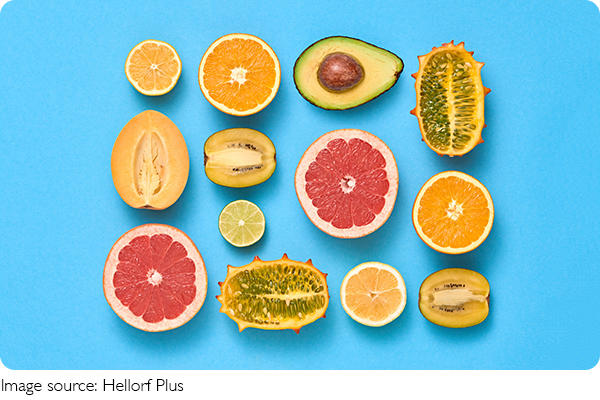
Top Fiber-Rich Fruits
Some fruits are particularly high in fiber per 100 grams:
- Avocado: 5.7 g
- Passion fruit: 5.3 g
- Guava: 5 g
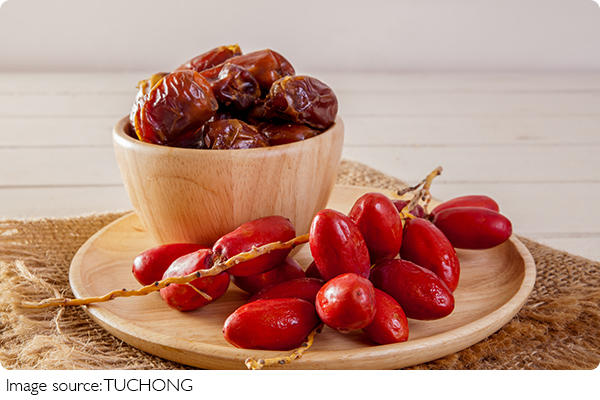
- Dried persimmon: 12.6 g
- Red dates: 7.7 g
- Banana flower: 3.3 g
Including a variety of these fruits in our breakfast, snacks, or desserts can give our bodies a steady fiber boost.
Top Fiber-Rich Vegetables
High-fiber vegetables include:
- Seaweed: 29 g
- Red moss: 26.6 g
- Black fungus: 7.4 g
- Dried radish: 7.2 g
- Kelp: 6.1 g
- Flower mushrooms: 5.4 g
Adding these vegetables to soups, stir-fries, or salads can easily help us reach our daily fiber goals.
Practical Tips for Adding Fiber
We should gradually increase fiber intake to avoid bloating or stomach discomfort. Drinking plenty of water is key because fiber absorbs water and helps keep stools soft. Mixing soluble and insoluble fiber from fruits, vegetables, whole grains, and nuts gives us the best overall health benefits. We can start small, adding an extra serving of vegetables to lunch or a fruit to breakfast, and gradually build up our fiber intake.
Let’s Embrace Fiber!
Fiber is one of the simplest ways to boost our health, from better digestion and weight control to heart protection and stable energy. By consciously including more high-fiber fruits and vegetables in our daily meals, we can feel lighter, more energetic, and healthier overall. Let’s make fiber a natural part of our day and enjoy the many benefits it brings!