Portion Control Made Easy

Finnegan Flynn
| 29-12-2025

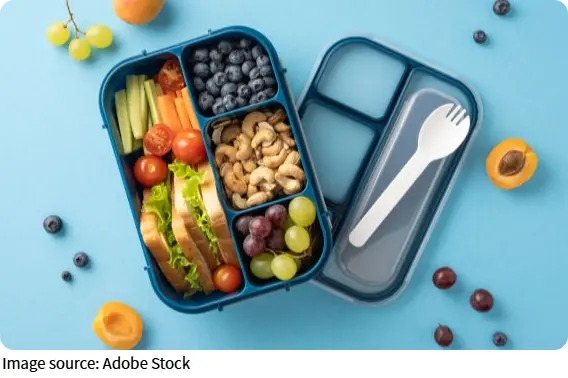
Managing portion sizes isn’t about restriction—it’s about balance. By using practical tricks like smaller plates or mindful eating, you can enjoy your meals fully while supporting long-term health.
Lykkers, this guide will show you how to create a more balanced relationship with food without giving up flavor or fun.
Simple Tricks to Right-Size Portions
According to Dr. Barbara J. Rolls, PhD, a leading expert on eating behavior and portion control, modern portion sizes are often larger than our bodies actually need. Her research shows that even small, mindful adjustments to portions can help people feel satisfied while naturally preventing overeating.
Use Smaller Plates and Bowls
Choosing the right oil can make cooking healthier and tastier at the same time.
Want the Softest, Cheesiest Pancakes Ever? This Simple Recipe Will Make Your Morning Magical!
Make Bakery-Style Ciabatta at Home: Crispy Outside, Chewy Inside, and Bursting with Flavor in Every Bite!
How We Made the Sweetest, Most Refreshing Orange Juice at Home in Just 5 Minutes—No Juicer Needed!
Discover the Secrets to Growing Juicy Pomegranates at Home—We Can’t Believe How Easy It Is!
Tomato Truth Time! Learn How to Grow Juicy, Sweet Tomatoes Faster and Harvest More Every Season!
It may sound simple, but plate size really matters. Studies show that using smaller plates can trick your brain into feeling like you’ve eaten more. Dr. Brian Wansink, a food behavior researcher, said: “Our environment heavily influences how much we eat. By adjusting plate size, we adjust our perception of what’s ‘enough.’” Switching from a large dinner plate to a medium one can instantly help you serve more balanced portions.
Portion Before You Sit Down
While it may sound simple, research supports that plate size matters. Social psychologists like Dr. Janet Polivy have demonstrated that environmental cues heavily influence consumption. Using a smaller plate leverages a visual illusion, making a portion appear larger and can help signal satisfaction with less food.
Balance Your Plate
Think of your plate in sections: half filled with vegetables or salad, one-quarter with lean protein, and one-quarter with grains or starchy vegetables. This simple method ensures variety and prevents oversized portions of any one food group.

Mindful Eating for Lasting Change
Beyond physical tricks like smaller plates, mindful eating helps you enjoy food more while naturally controlling portions. It’s about slowing down, paying attention, and savoring what’s in front of you.
Eat Without Distractions
Distractions like phone scrolling or TV during meals can disrupt your body's natural signaling system. "When your mind is elsewhere, you're less likely to notice the subtle cues of satisfaction, which often leads to eating past the point of fullness," explains Dr. Susan Albers, a psychologist and author specializing in mindful eating. "By eating without distractions, you give your brain a chance to register what you're consuming, which supports better portion control and greater enjoyment."
Pause Before Seconds
Give yourself a short break after finishing your first portion. Often, your body needs a few minutes to signal fullness. During that pause, ask yourself if you’re still truly hungry or just eating out of habit.
Savor Every Bite
Eating slowly helps your brain catch up with your stomach. Try noticing flavors, textures, and aromas as you chew. This not only makes meals more enjoyable but also helps you stop when you’re comfortably satisfied instead of overly full.

Managing portion sizes doesn’t require strict rules—it just takes a mix of smart strategies and mindfulness. By using smaller plates, balancing portions, and practicing mindful eating, you can enjoy meals with satisfaction and still support your health. Lykkers, remember: portion control isn’t about eating less—it’s about eating better, with more awareness and appreciation for every bite.