Bryce Canyon Guide

Nolan O'Connor
| 19-01-2026

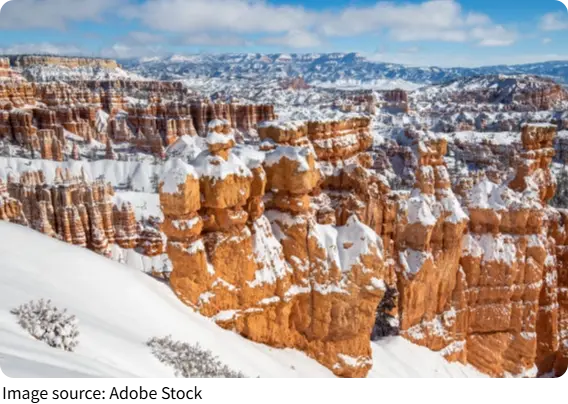
Have you ever wanted to explore a place where the rocks seem to reach for the sky and every turn reveals a new, colorful formation? Bryce Canyon National Park in southwestern Utah is just that kind of place.
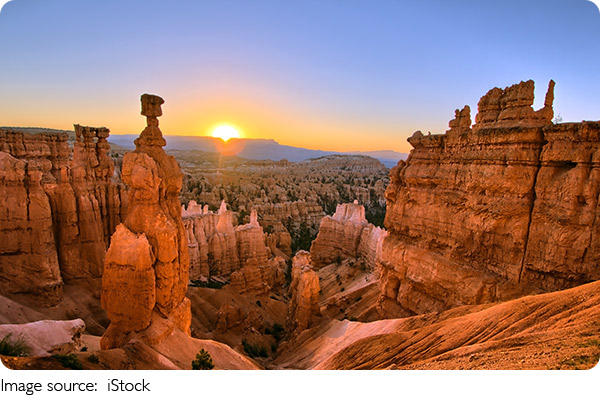
Spanning 145 square kilometers, the park is famous for its unique hoodoos—tall, thin spires of rock formed over millions of years. Despite the name “canyon,” it’s actually a series of natural amphitheaters along the Paunsaugunt Plateau.
With elevations ranging from 2,400 to 2,700 meters, we can enjoy crisp air, breathtaking panoramic views, and countless opportunities for hiking, photography, and simply connecting with nature.
Opening Hours & Ticket Prices
Park Hours:
- Visitor Center: 8:00 AM – 5:00 PM (year-round)
Explore Cap Fréhel Lighthouse: Breathtaking Cliffs, Panoramic Views, and Everything You Need to Plan Your Visit!
Discover Valle d'Aosta: Hidden Castles, Alpine Adventures, Local Flavors, and Scenic Villages Await You!
Soar Near Santiago de Compostela: Hot Air Balloon Prices, Hours, Transport, Hotels, Food Costs, and Smart Travel Tips!
Explore Toulouse: France’s Pink City with Stunning Streets, Historic Sites, Aerospace Wonders, and Hidden Gems!
Want a trip that feels fulfilling—not frantic?
Discover How to Choose Travel Shoes That Keep Us Comfortable, Stylish, and Ready for Every Adventure.
- Park Roads: Open from sunrise to sunset
Entrance Fees:
- Private Vehicle: $35 (7-day pass)
- Motorcycle: $30 (7-day pass)
- Individual Hiker/Biker: $20 per person
- Annual America the Beautiful Pass: $80 (covers all U.S. National Parks)
Tip: Arrive early in the morning to avoid crowds, especially during May–September.
Best Time to Visit
The park is open year-round, but the best time is May through September for mild weather and fully open trails. For fewer crowds, weekdays and early mornings or late afternoons are ideal. Winter offers snow-covered hoodoos and quiet trails, though some areas may be icy or closed.
Getting There & Transportation
By Car:
- From Las Vegas: ~4.5 hours (420 km)
- From Salt Lake City: ~4 hours (420 km)
Inside the Park:
- Bryce Canyon Shuttle (May–September): Free service stops at main viewpoints and trailheads.
- Parking Fees: Included with park entrance; parking is limited at popular viewpoints, so early arrival is recommended.
Tip: Gas up in Tropic or Panguitch before entering the park.
Accommodation Options
Inside the Park:
- The Lodge at Bryce Canyon: $200–$350 per night, historic building, close to trails and viewpoints
- Camping: North and Sunset Campgrounds, $20–$30 per night, reservations recommended
Outside the Park (Tropic & Panguitch):
- Ruby’s Inn: $100–$200 per night, full-service hotel with restaurants and gift shops
- Budget motels: $70–$150 per night
Tip: Book accommodations months in advance during peak season.
Dining Options
Inside the Park:
- Bryce Canyon Lodge Dining Room: Breakfast $15–$25, Lunch $10–$20, Dinner $20–$35
- General Store & Cafes: Snacks, sandwiches, drinks $5–$10
Outside the Park:
- Local restaurants in Tropic and Panguitch: $10–$25 per meal, serving burgers, pasta, and American classics
- Picnic areas available inside the park—bring your own food for scenic meals
Hiking & Activities
The park has trails suitable for all levels:
- Easy: Rim Trail (5 km, mostly flat, perfect for sunrise/sunset)
- Moderate: Navajo Loop Trail (3 km, through the amphitheater)
- Challenging: Peekaboo Loop Trail (6.5 km, steep climbs, stunning views)
Other activities:
- Stargazing: International Dark Sky Park—bring a blanket and enjoy the night sky
- Winter Activities: Cross-country skiing and snowshoeing on select trails
- Wildlife Viewing: Look for Utah prairie dogs, California condors, mule deer, and songbirds
Practical Tips for Visitors
Bring water, snacks, and sun protection
- Dress in layers due to temperature changes
- Wear sturdy hiking shoes for rocky terrain
- Arrive early for sunrise at Sunrise Point or sunset at Sunset Point
- Respect wildlife and stay on marked trails
Why We Love Bryce Canyon
Compared to nearby parks like Zion or the Grand Canyon, Bryce Canyon is less crowded, allowing us to experience the scenery more quietly. The hoodoos and amphitheaters are unique, and sunrise or sunset casts magical shadows over the rock formations. Hiking, photography, or simply sitting quietly to admire the view makes Bryce Canyon a must-visit destination for nature lovers.
Our Bryce Canyon Adventure Awaits
Bryce Canyon National Park is more than a collection of rocks—it’s an adventure in nature. From towering hoodoos and diverse wildlife to hiking trails and stargazing opportunities, there’s something here for everyone. By planning ahead with tickets, transportation, accommodations, and dining, we can make the most of our visit. So grab your camera, lace up your hiking boots, and join us in exploring one of Utah’s most magical natural wonders!
Bryce Canyon National Park Travel Guide I Expedia
Video by Expedia