Japanese Pickled Ginger

Pankaj Singh
| 21-01-2026

If you've ever enjoyed sushi, you've probably encountered a small dish of pink pickled ginger placed alongside your meal. Often used to cleanse the palate between different pieces of sushi, this sweet, tangy condiment is a perfect companion to the rich, delicate flavors of raw fish.
But did you know that you can easily make it at home? Homemade pickled ginger is not only fresher but also customizable to your taste. Here's how you can make this vibrant, flavorful treat in your own kitchen.
What You Need for Pickled Ginger?
Before diving into the steps, let's gather the necessary ingredients and tools. Luckily, making pickled ginger doesn't require a lot of complicated equipment, just a few simple ingredients you likely already have on hand.
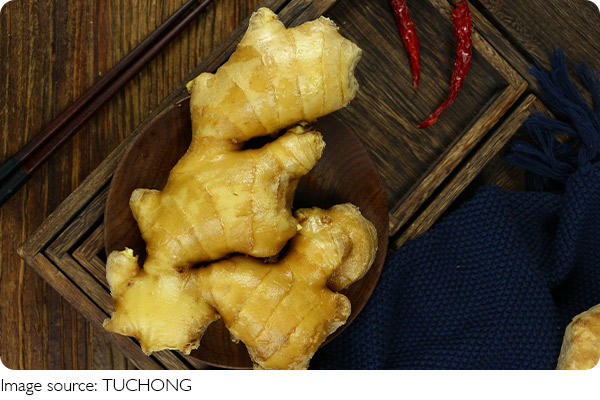
1. Fresh Young Ginger: The key to good pickled ginger is young ginger, which is tender and has a milder, less spicy flavor compared to older ginger. It's usually available at specialty grocery stores or Asian markets. If you can't find young ginger, regular ginger can still work, though the texture will be a little firmer.
2. Rice Vinegar: Rice vinegar gives the pickled ginger its signature mild, slightly sweet tang. Avoid substituting it with other types of vinegar, as it will alter the flavor significantly.
3. Sugar: A little sweetness is essential for balancing the acidity of the vinegar. White sugar is typically used, though you can substitute with honey for a more natural sweetness.
4. Salt: A pinch of salt enhances the flavor and helps preserve the ginger during the pickling process.
5. Red Food Coloring (Optional): This is often used to give the ginger its characteristic pink hue. While it's not necessary for flavor, it adds an authentic touch. You can skip this step if you prefer a more natural look.
Step-by-Step Guide to Making Pickled Ginger
Now that you have all the necessary ingredients, let's break down the process step by step.
1. Prepare the Ginger
Start by peeling the young ginger. You can do this easily with a spoon, scraping off the thin skin. Once peeled, slice the ginger thinly using a mandoline or a vegetable peeler. Aim for slices that are about 1/8 inch thick—thin enough to be tender but not too delicate. If you prefer a milder taste, you can also rub the ginger slices with a little salt to draw out some of the pungency before pickling.
2. Soak the Ginger
After slicing the ginger, place it in a bowl and sprinkle it with salt. Let it sit for about 30 minutes to allow the salt to draw out excess moisture and soften the ginger. Once it's done soaking, rinse the ginger slices under cold water to remove any excess salt.
3. Prepare the Pickling Liquid
In a small saucepan, combine the rice vinegar, sugar, and a pinch of salt. Heat the mixture over low heat, stirring occasionally until the sugar has dissolved completely. Don't bring it to a boil—just heat it enough to dissolve the sugar. If you want to color your ginger, you can add a drop or two of red food coloring at this stage.
4. Pickle the Ginger
Once the vinegar mixture is ready, pour it over the ginger slices in a jar or container. Ensure the ginger is fully submerged in the liquid. Allow the ginger to cool to room temperature, then cover the jar and refrigerate. The ginger will begin to absorb the vinegar flavors and take on a more vibrant color as it sits.
5. Let It Marinate
For the best results, let the pickled ginger marinate for at least 24 hours before using. The longer it sits, the more flavorful and tangy it will become. Ideally, it should be left in the refrigerator for up to a week before serving, though it will last for up to a month if stored properly.
Serving Ideas and Tips
Now that you've made your own pickled ginger, you'll want to know how to enjoy it! Here are a few ideas for serving your homemade creation:
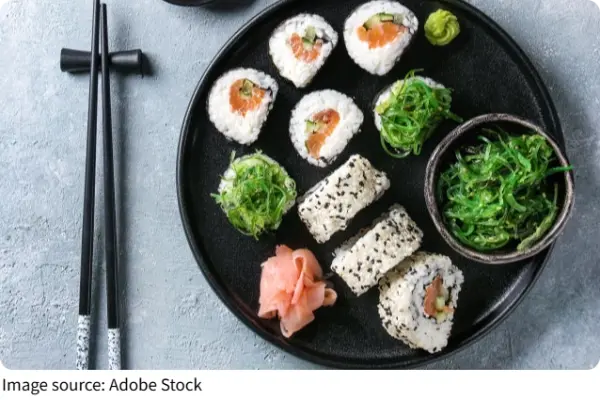
1. Sushi and Sashimi: Of course, the most classic way to enjoy pickled ginger is with sushi. Place a small dish of pickled ginger alongside your sushi rolls to cleanse the palate between bites. It's especially effective when eating multiple pieces of sushi with different types of fish.
2. With Stir-Fries or Rice: Pickled ginger can also be a fantastic addition to stir-fry dishes or served alongside rice. Its tangy sweetness pairs well with rich, savory flavors and provides a refreshing contrast.
3. As a Snack: Don't overlook pickled ginger as a stand-alone snack. Its refreshing and flavorful bite makes it a great addition to any appetizer or simply enjoyed on its own.
Why Make Your Own Pickled Ginger?
There are plenty of store-bought versions of pickled ginger available, but making your own comes with a few key benefits:
1. Freshness and Customization: Homemade pickled ginger is always fresher, and you can adjust the sweetness or tanginess to your liking. Whether you prefer a little more vinegar bite or a sweeter flavor, making it yourself gives you full control.
2. Healthier Ingredients: When you make pickled ginger at home, you can avoid artificial preservatives and colorings that may be found in store-bought versions. This way, you're only consuming the healthiest ingredients.
3. Cost-Effective: Buying pickled ginger at a store can add up quickly, especially if you're a sushi fan. Making it at home is an affordable option that ensures you always have this flavorful condiment on hand.
Final Thoughts
Making pickled ginger at home is a simple, rewarding process that allows you to enjoy this flavorful condiment whenever you want. By following these easy steps, you can create a tangy, vibrant addition to your meals that elevates your dishes and brings an authentic taste of Japan to your kitchen. Whether you're enjoying sushi, stir-fries, or just snacking, your homemade pickled ginger will soon become a staple in your culinary arsenal.