Japanese Rice

Ravish Kumar
| 23-01-2026

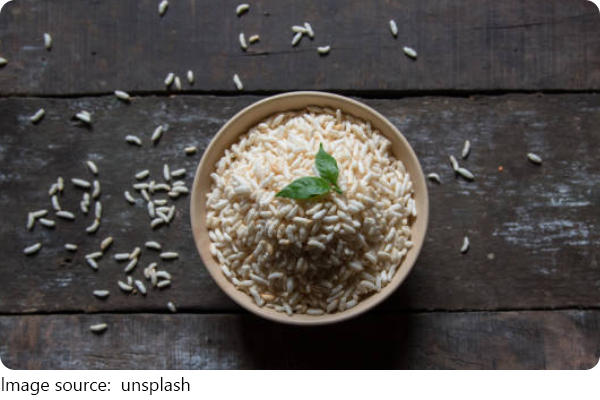
There's something comforting about a bowl of perfectly cooked Japanese rice—the way each grain glistens and holds together yet stays tender. You've probably noticed that even when following a recipe, the results can vary, leaving rice either mushy or undercooked.
Mastering Japanese rice is less about complex techniques and more about small, intentional steps that make a big difference. Here's a guide to help you get it right every time.
1. Choosing the Right Rice
The foundation of great Japanese rice starts with the grain itself. Short-grain or medium-grain rice is essential because it has the right starch content to become slightly sticky when cooked.
- Check for freshness: Look for rice packaged within the last six months. Fresh rice absorbs water better and cooks more evenly.
Discover How We Make the Perfect Alcohol-Free Plum Pudding with Cream That Everyone Will Love This Holiday Season!
Discover How This Tangy Citrus Can Refresh Your Body Inside Out.
Discover which ice cream really wins in taste, texture, and convenience.
Discover the rich, chocolatey drink that warms both hands and heart.
Discover the secrets to a creamy, irresistible cheesecake at home.
One green scoop turns plain breakfast into calm energy and color.
- Avoid mixing brands: Different brands absorb water differently. Sticking to one ensures consistent results.
- Consider rinsing: Even premium rice benefits from rinsing. Rinse until water runs clear to remove excess starch and prevent overly sticky rice.
For example, rinsing twice to three times is usually enough. After rinsing, let it drain for 30 minutes to allow the grains to soak up just the right amount of water before cooking.
2. The Importance of Soaking
Soaking rice is a step often overlooked but crucial for even cooking. It helps grains absorb water evenly and shortens the cooking time.
- Short soak: For everyday cooking, a 20–30 minute soak at room temperature works well.
- Longer soak: If you want softer, stickier rice, soak for 45–60 minutes.
- Cold water soak: In hot climates, soaking in cold water prevents rice from fermenting or spoiling.
For example, preparing rice in the morning for dinner gives it enough time to soak and ensures a perfect texture after cooking.
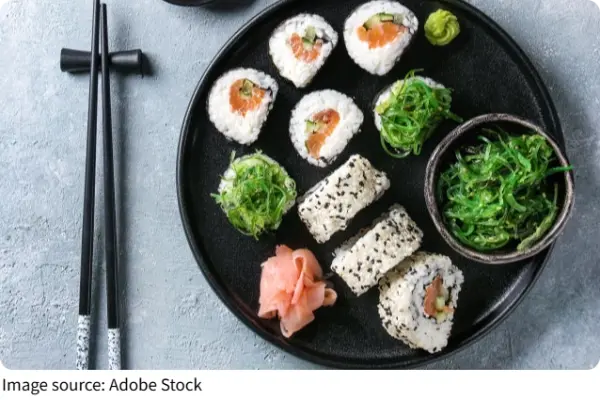
3. Water-to-Rice Ratio
One of the most common mistakes is using too much or too little water. Japanese rice typically requires a slightly lower water ratio than other varieties.
- Standard ratio: Use 1 cup of rice to 1.1–1.2 cups of water for short-grain rice.
- Adjust for softness: If you prefer softer rice, add an extra tablespoon of water.
- Avoid evaporation errors: Use a tight-fitting lid to prevent water from escaping during cooking.
Tip: Measuring water by volume rather than weight ensures consistency. Using a digital scale helps even more if you cook rice frequently.
4. Cooking Techniques
Whether you use a rice cooker or stovetop, technique matters.
- Rice cooker: Simply follow the rice-to-water instructions, but allow rice to rest for 10–15 minutes after cooking before opening the lid.
- Stovetop: Bring water and rice to a boil, then reduce to low heat for 15–18 minutes. Avoid lifting the lid too early.
- Steaming step: After cooking, gently fluff the rice with a paddle or spoon to release steam evenly.
For example, lifting the lid too soon can make rice clump together or stick to the bottom. Waiting ensures a light, airy texture.
5. Flavor Enhancements
While Japanese rice is delicious on its own, small additions can enhance the flavor.
- Kombu: Add a piece of kombu seaweed to the pan for a subtle umami taste.
- Rice vinegar: For sushi rice, mix in a few teaspoons of rice vinegar after cooking.
- Keep warm: Serve rice immediately or keep it covered to retain heat and moisture.
Even sprinkling a tiny pinch of salt before cooking can make the rice taste richer.
6. Storage Tips
Leftover rice can be tricky to handle. Improper storage can make it hard or dry.
- Cool quickly: Spread rice on a tray to cool quickly before refrigerating.
- Airtight containers: Store rice in airtight containers to prevent moisture loss.
- Reheating: Steam leftover rice or sprinkle with a few drops of water before microwaving to restore texture.
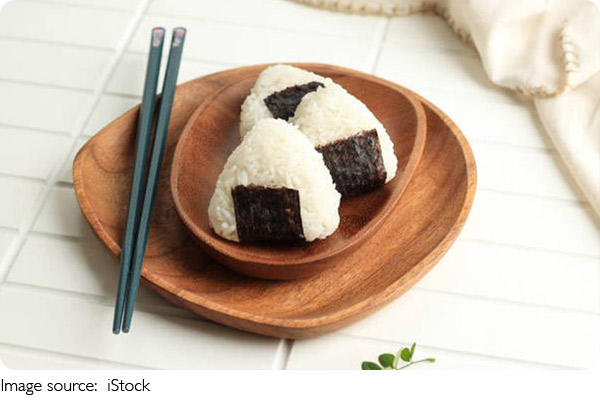
For example, leftover rice can be transformed into fried rice or rice balls without losing its softness if handled correctly.
Cooking Japanese rice is more art than science, but with these steps, anyone can achieve fluffy, tender, and slightly sticky grains every time. Next time you sit down for a bowl of rice, notice the difference that attention to detail makes. Perfect rice doesn't just complement a meal—it elevates it.