Popular Japanese Noodles

Mason O'Donnell
| 23-01-2026

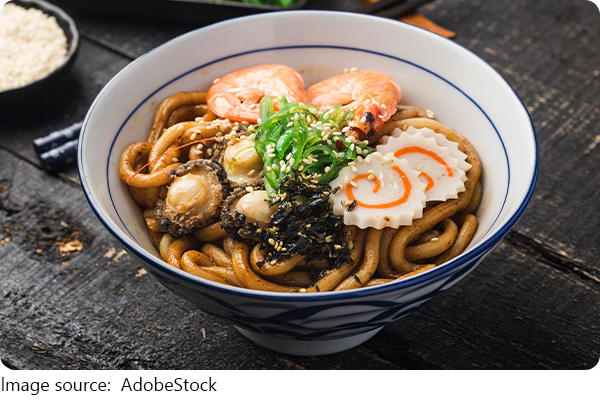
Noodles have a way of bringing comfort and warmth to any meal. Whether twirling them in a steaming bowl of broth or enjoying them cold with a dipping sauce, Japanese noodles offer versatility that fits every season and craving.
They carry unique textures, flavors, and preparation methods that make exploring them an adventure for any food lover.
1. Udon: Thick, Chewy, and Comforting
Udon are thick wheat noodles that are soft and chewy, making them a popular choice for soups and stir-fries. Their mild flavor absorbs the broth well, giving each bite a satisfying taste.
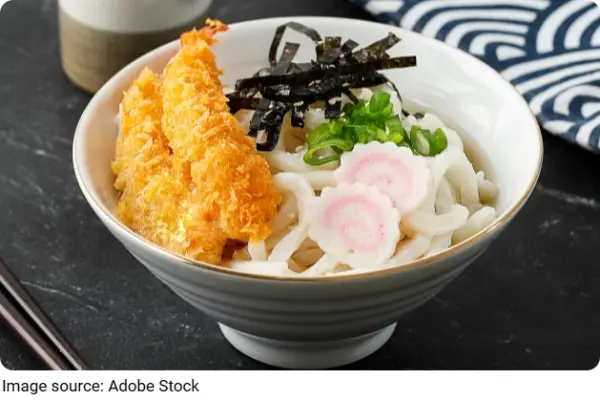
- Classic Kake Udon: Serve udon in a simple soy-based broth with scallions and a slice of kamaboko (fish cake).
- Yaki Udon: Stir-fry cooked udon with vegetables, soy sauce, and your choice of protein for a quick, hearty meal.
Simple tips to cook fluffy, flavorful rice like a pro.
Discover How We Make the Perfect Alcohol-Free Plum Pudding with Cream That Everyone Will Love This Holiday Season!
Discover How This Tangy Citrus Can Refresh Your Body Inside Out.
Discover which ice cream really wins in taste, texture, and convenience.
Discover the rich, chocolatey drink that warms both hands and heart.
Discover the secrets to a creamy, irresistible cheesecake at home.
- Curry Udon: Combine thick noodles with a flavorful Japanese curry for a warming dish.
For perfect texture, cook udon until tender but still slightly firm. Rinse briefly in cold water to remove excess starch if stir-frying.
2. Soba: Nutty and Healthy
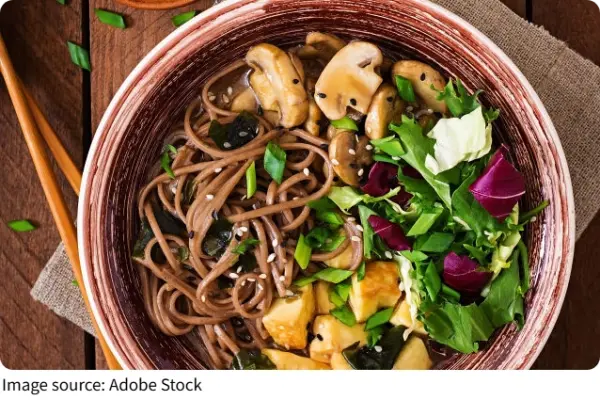
Soba noodles, made from buckwheat, have a distinctive nutty flavor and a slightly firmer texture than udon. They are versatile, served hot in broth or cold with dipping sauce.
- Zaru Soba: Serve chilled soba with a dipping sauce and shredded nori for a refreshing summer dish.
- Kake Soba: Hot soba in a light broth, garnished with green onions and tempura flakes.
- Soba Salad: Toss cooked soba with vegetables, sesame oil, and a light soy dressing for a nutritious meal.
Soba is rich in protein and fiber, making it a filling and healthy option for lunch or dinner.
3. Ramen: Flavor-Packed and Popular
Ramen has gained worldwide fame for its deep, savory broth and springy noodles. It comes in many varieties, including shoyu (soy sauce), miso, and tonkotsu.
- Shoyu Ramen: Classic soy-flavored broth with tender noodles, sliced meat, and a soft-boiled egg.
- Miso Ramen: Rich, savory miso broth mixed with noodles, corn, and vegetables for a hearty meal.
- Tsukemen: Serve noodles separately to dip in a concentrated broth for a customizable flavor experience.
Cooking ramen noodles just right is key—they should be firm to the bite yet tender enough to soak up the flavorful broth.
4. Somen: Thin and Refreshing
Somen noodles are very thin and light, perfect for hot weather. They are typically served chilled with a dipping sauce called tsuyu.
- Chilled Somen: Serve cold with ice, dipping sauce, and fresh herbs for a summer-friendly meal.
- Somen Soup: Add vegetables and protein to a warm broth with somen for a lighter noodle soup.
- Somen Stir-Fry: Quickly toss with sesame oil, vegetables, and tofu for a delicate, savory dish.
Somen cooks rapidly, often in just 2–3 minutes, making it a convenient choice for quick meals.
5. Specialty Noodles: Regional Variations
Beyond the basics, Japan offers specialty noodles like Shirataki, Hiyamugi, and Okinawa's Soba. Each has its own texture, flavor, and preparation methods.
- Shirataki Noodles: Low-calorie, gelatinous noodles often used in hot pots or stir-fries.
- Hiyamugi: Slightly thicker than somen, served cold or hot for versatility.
- Okinawa Soba: Unique wheat noodles served with a meat-based broth, showing regional adaptation.
Experimenting with these specialty noodles adds variety and introduces new textures and tastes to your meals.
Japanese noodles are more than just food—they are a reflection of balance, tradition, and creativity. From thick udon to delicate somen, each type offers unique opportunities to explore flavors, textures, and cooking methods. Trying them at home or in restaurants allows you to appreciate the artistry behind every bowl, turning simple noodles into a memorable culinary experience.
Exploring Japanese noodles can inspire your next meal, helping you enjoy comfort, nutrition, and creativity all in one bowl.