Fresh Fruit Celebration

Caleb Ryan
| 02-02-2026

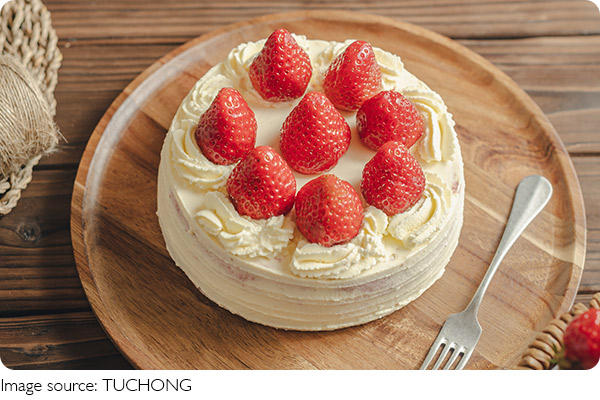
A fruit birthday cake is often less about decoration and more about feeling. It brings together soft layers gentle sweetness and the natural brightness of fruit in a way that feels joyful without being overwhelming.
This guide is written for Lykkers who enjoy baking with flexibility and ease. You are not trying to build something perfect or overly structured.
You are creating a cake that feels welcoming to everyone at the table. With a relaxed pace and clear steps, this cake becomes a centerpiece that supports conversation, laughter, and quiet appreciation all at once.
Where Lightness Takes Shape
This first part focuses on what goes into the cake and how everything comes together smoothly. The process is meant to feel friendly and approachable. You move step by step, noticing texture, aroma, and balance as the cake layers and fruit begin to work as one.
Make This Creamy Italian Risotto at Home and Impress Everyone With Gourmet Flavors!
Discover the surprising benefits of going meat-free just one day a week!
Discover 5 mouth-watering vegetarian street foods you need to try!
Simple tips and ideas to make a week of healthy vegetarian meals stress-free.
Find Out How the Right Sports Drinks Can Keep Us Energized, Hydrated, and Recover Faster After Every Workout!
5 Easy and Delicious Healthy Breakfast Sets That Give Us Energy, Keep Us Full, and Make Mornings Exciting!
The Elements That Set the Mood
Each ingredient plays a simple role, keeping the cake light, fresh, and easy to enjoy.
Eggs at room temperature to help create a soft, airy base
Granulated sugar for gentle sweetness
All-purpose flour to give structure without heaviness
Milk or a plant-based alternative for moisture
Neutral vegetable oil for a tender crumb
Baking powder helps the layers rise evenly
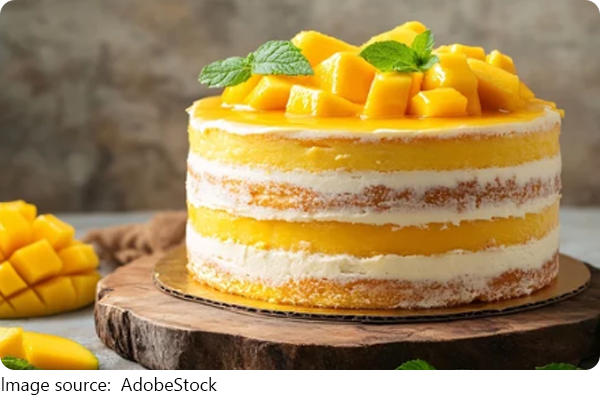
Fresh fruit such as strawberries, kiwi, blueberries, or mango, prepared gently
Light cream or yogurt-based frosting for a smooth finish
A small pinch of salt to balance the sweetness
When these ingredients are ready, the direction of the cake feels clear. The sponge stays soft, the fruit adds freshness, and the frosting keeps everything calm and balanced.
Letting the Cake Come Together
The steps stay forgiving and steady, giving you room to adjust as needed.
Heat the oven to a moderate temperature and prepare cake pans with parchment paper
Whisk eggs and sugar until the mixture looks pale and airy
Add oil and milk, stirring gently until smooth
Fold in flour, baking powder, and salt until just combined
Divide the batter evenly and bake until the layers spring back lightly
Allow the cakes to cool fully before assembling
Spread a thin layer of frosting between the layers
Arrange fruit gently so colors and textures feel natural
Finish with a light coating of frosting to hold everything together
As the cake comes together, you notice how the layers feel soft and how the fruit adds brightness. Paying attention here helps the cake stay balanced rather than heavy.
A Cake That Feels Personal
Once the cake is assembled, it becomes more than a recipe. This second part looks at how a fruit birthday cake fits into different celebrations and how small choices make it feel personal and meaningful.
Ways It Adapts
Some celebrations feel right with simple fruit placed neatly on top. Others invite a more playful mix of colors and shapes. You might choose seasonal fruit to reflect the time of year or keep familiar favorites that everyone enjoys. The frosting can stay light or slightly richer depending on the mood. These choices let the cake adapt without losing its gentle character, which makes it suitable for many kinds of gatherings.
Baking With Ease and Joy
A fruit birthday cake works best when you allow yourself to enjoy the process. You notice how the sponge cools, how the fruit looks fresh, and how the cake feels balanced once assembled. This attention turns baking into a calm shared experience rather than a task. Over time, making this cake can become a familiar tradition. The steps remain simple, yet the meaning grows because you are present while creating something for others.
A fruit birthday cake brings together soft texture, fresh flavor, and a sense of shared celebration in a calm, approachable way. With clear ingredients and an unhurried method, the recipe stays flexible and easy to repeat. You guide the cake through small, thoughtful choices, allowing it to reflect the moment and the people around the table.
For Lykkers, this guide shows how a simple fruit-filled cake can support connection, warmth, and quiet happiness one slice at a time.