Kinderdijk Windmills

Mason O'Donnell
| 02-02-2026

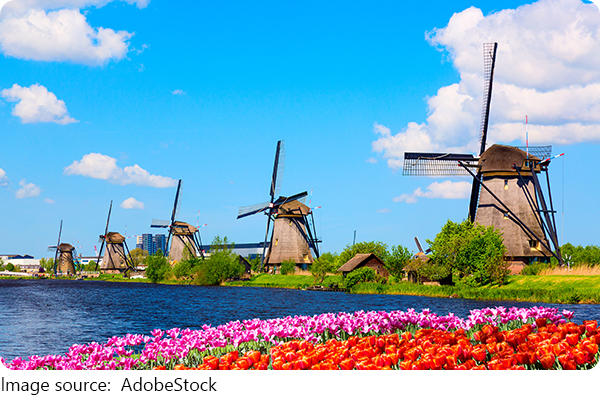
Have you ever passed a field dotted with windmills in a photo and wondered if the experience feels as magical in real life?
Stepping into Kinderdijk village in the Netherlands, that image comes alive. Rows of towering windmills line the canals, their blades slowly turning in rhythm with the breeze.
Wooden houses with gabled roofs add color and charm, making it easy to forget you're only an hour from Rotterdam.
Kinderdijk isn't just about scenic views. It's a living piece of history, where visitors can connect with centuries-old Dutch water management and enjoy the serene rhythm of rural life. Here's a practical guide to experiencing this iconic destination fully.
Why Kinderdijk Is Unique
Discover practical tips for exploring Cinque Terre's colorful village!
Practical tips for exploring Lake Como's colorful lakeside town!
Explore Hintersee Lake This Summer: Stunning Views, Fun Boating, Scenic Trails, and Delicious Local Eats!
Watch Trains Glide Over Switzerland’s Landwasser Viaduct—Complete Travel Guide with Prices, Tips, and Scenic Spots!
Discover Castle Hill Lighthouse: Stunning New England Views, Scenic Walks, Dining, Hotels, and Insider Travel Tips!
Which spots should you hit first in charming Gamlitz? Find Out!
Kinderdijk is home to 19 well-preserved windmills, built around the 18th century to pump water from the lowlands. They're not just decorative; many are still operational, showing visitors how the Dutch managed flooding in areas below sea level. Walking or cycling along the canals, you'll see the water reflect the sky, the windmills, and passing boats—making it a photographer's paradise.
The village has a small museum in one of the windmills where you can learn about the mechanics of water pumping and daily life centuries ago. Guides often demonstrate how the mills functioned, turning history into a hands-on experience rather than just something to look at.
Best Time to Visit
Timing can completely change your visit:
• Spring (April to June): Tulips bloom across the region, adding bursts of color along the canals. Days are long, and temperatures are mild.
• Summer (July to August): Peak season offers full access to museums and walking trails, but crowds are heavier.
• Autumn (September to October): Fewer tourists and softer golden light for photography.
• Winter (November to March): Quiet and atmospheric, though some museum hours are reduced and outdoor trails can be chilly.
Arriving early in the morning gives you the calmest views, especially if you want to photograph reflections in the water before crowds arrive.
Getting There
1. By Car: Kinderdijk is about a 45-minute drive from Rotterdam. Parking is available near the visitor center for around $10 USD per day.
2. By Public Transport: Take a train to Rotterdam, then bus 88 to Kinderdijk. The ride takes about an hour and costs approximately $5–$7 USD.
3. By Boat: A canal tour from Rotterdam offers a scenic approach, letting you admire the windmills from the water. Prices start at $25 USD per person.
If you want flexibility, a car or bike rental is ideal. Cycling between the mills and the nearby village paths is both enjoyable and practical.
Visiting Tips
1. Explore by foot or bike. Walking gives you time to pause and photograph details, while cycling lets you cover more ground without missing the best viewpoints.
2. Purchase tickets online for the museum windmills. Entry costs around $10 USD per one and includes access to multiple mills and historical exhibits.
3. Bring a light jacket. Even in summer, wind gusts along the canals can feel chilly.
4. Plan for 2–3 hours. That's enough to see the main windmills, explore the museum, and stroll along the canals without feeling rushed.
5. Check tide schedules if arriving by boat. Reflections look best when water is calm, usually in the morning or early afternoon.
Where to Capture the Perfect Photo
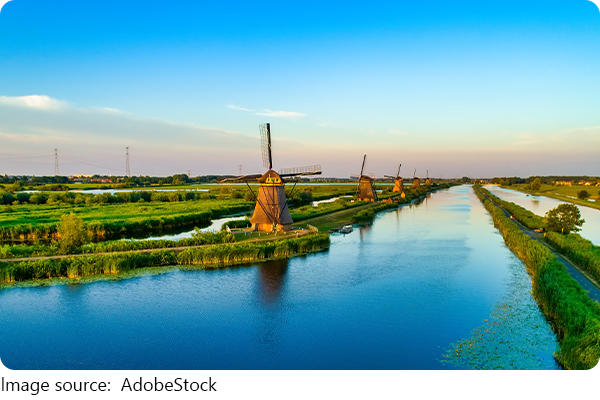
The classic image of Kinderdijk shows multiple windmills lined up along the canal, often with a small boat drifting by. The northern side of the village provides elevated viewpoints perfect for panoramic shots. Walk to the farthest windmill and turn back toward the others; the reflection of the windmills in the water during calm weather creates a nearly symmetrical scene.
If you want movement in your photos, try long exposures of the spinning blades against a bright sky. Early morning or late afternoon light gives a golden glow, enhancing the rustic colors of the mills and houses.
Experiencing the Village Like a Local
Kinderdijk isn't just for photos. Take time to observe daily life in this preserved village. Some locals still maintain small gardens and small-scale workshops near the windmills. Small cafes and souvenir shops offer Dutch pastries and handcrafted goods, giving you a chance to taste the region alongside its sights.
Walking slowly along the canals, you start to notice details: the way water ripples around a moored boat, the smell of wood from the windmills, and the quiet hum of blades turning. These subtle moments often become the memories that linger longer than a single panoramic photo.
When you leave Kinderdijk, it's hard not to feel a little calmer, a little more connected to history, and a little inspired to see the world from a new perspective. Next time you plan a day trip from a Dutch city, imagine yourself cycling along those canals, pausing to watch the windmills, and realizing that some of the simplest landscapes hold the deepest beauty.