Sunset Over Mu Cang Chai

Santosh Jha
| 02-02-2026

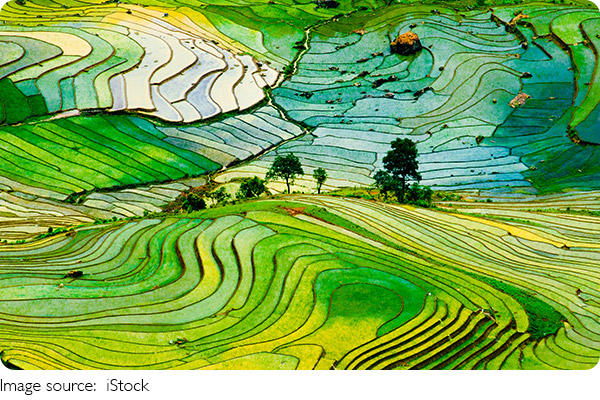
Have you ever stood somewhere so quiet that you could hear your own breathing change? That's what happens the first time you watch sunset in Mu Cang Chai. The sun dips low, the terraces soften into gold and amber, and suddenly time feels slower—like the hills are asking you to stay a little longer.
Mu Cang Chai sits high in the mountains of northern Vietnam, known for its layered rice terraces carved into steep slopes. Plenty of people come here, but not everyone experiences it well. The difference isn't luck—it's knowing when, where, and how to be there. Sunset is the moment that turns a beautiful landscape into something unforgettable, if you approach it the right way.
Why sunset changes everything?
A quiet Dolomites village where timing matters more than filters!
A practical way to enjoy Phang Nga Bay without feeling rushed!
One Ancient Temple, 5 Smart Tips to Experience Kyoto's Most Iconic Pagoda Right.
Why Seeing Paris From Above Changes Everything You Think You Know!
A dramatic Arctic escape where mountains, fishing villages, and changing light turn every moment into a postcard come to life.
Kinderdijk: Where Dutch history turns with the wind.
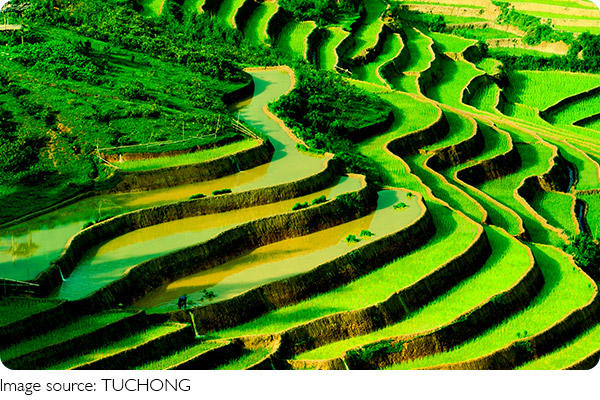
During the day, the terraces look impressive. At sunset, they feel alive. The low-angle light slides across each step, creating shadows that reveal how carefully the land was shaped by hand. When the paddies hold water, the sky reflects back at you in broken mirrors. When the rice is ripe, the fields glow warm and textured.
What makes this moment special isn't just color—it's contrast. You'll notice cool mountain air, soft light, near silence. The villages settle down, birds cross the valley, and even photographers lower their cameras for a few seconds just to look.
Sunset here isn't rushed. You usually get a full 30–40 minutes of changing light, especially on clear days.
Best time of year to catch the glow
Timing matters more here than anywhere else.
1. Late September to early October
This is the most popular window. The rice turns golden just before harvest, creating deep yellows and warm greens. Sunset light at this time is rich and dramatic.
2. Late May to June
This is water season. Farmers flood the terraces, and the reflections are stunning at sunset. Colors lean cooler—silvers, blues, soft pinks.
Try to avoid midday visits only. The terraces look flatter under harsh light, and you'll miss the atmosphere that makes Mu Cang Chai special.
Where to watch sunset (specific spots)?
You don't need to hike all day, but choosing the right viewpoint matters.
1. Mam Xoi Hill (Raspberry Hill)
Entrance fee: about $2–3 USD
This is the most iconic viewpoint. Go at least 90 minutes before sunset to find a quiet angle. Walk a little away from the main platform—small side paths offer calmer views.
2. La Pan Tan village roads
Free
Some of the best sunset views come from simple roadside pull-offs. If you see locals stopping, that's your cue. These spots feel less staged and more personal.
3. Che Cu Nha valley edge
Free
A wider, open view where the sun drops behind distant ridges. Great if you want fewer people and more sky.
Getting there without stress
Mu Cang Chai isn't hard to reach, but it does take planning.
• From Hanoi by bus:
Overnight or early-morning buses to Nghia Lo cost around $10–15 USD, then a local transfer (shared van or motorbike taxi) for $5–7 USD.
• By motorbike:
Popular with confident riders. Roads are scenic but winding. Start early and avoid riding after dark.
Once you're in town, renting a motorbike costs about $6–8 USD per day, giving you full freedom to chase the best sunset light.
Practical tips that make a real difference
These small details can completely change your experience:
1. Arrive by 4:30 p.m.
Even if sunset is later, this gives you time to explore angles and settle in.
2. Bring one warm layer
Temperatures drop fast once the sun disappears.
3. Skip the tripod rush
If you're not shooting long exposures, handheld photos work beautifully in the soft light.
4. Stay after sunset
The sky often shifts color again 10 minutes later. Many people leave too early.
Respecting the land and people
The terraces aren't just scenery—they're working fields. Walk carefully, stick to paths, and ask before entering village areas. A smile and a simple greeting go a long way here. When visitors slow down and stay aware, the experience feels more genuine for everyone.
You might see farmers heading home as the light fades. That quiet movement, paired with the changing sky, is part of the scene—not something to rush past.
What sunset here teaches you?
Watching the sun set over Mu Cang Chai does something subtle. It reminds you that beauty doesn't need to shout. It unfolds step by step, like the terraces themselves. Each layer matters. Each pause counts.
You don't leave with adrenaline. You leave calmer. Grounded. A little more patient than when you arrived.
As the light finally slips away and the hills turn blue, ask yourself this: when was the last time you let a place—not a screen, not a schedule—decide the pace of your evening? If you let Mu Cang Chai do that just once, it's a feeling that stays with you long after the road winds back down the mountain.