Crossing the Sky

Amit Sharma
| 15-06-2026

The moment you step onto an elevated bridge, the world below seems to shrink. Streets, rivers, and buildings stretch out like a detailed map, and the hum of traffic becomes a background rhythm rather than a jarring noise.
Elevated bridges do more than just connect two points—they offer a new perspective on urban landscapes and a practical solution for congested areas.
For travelers, understanding their design, accessibility, and surrounding infrastructure can turn a simple crossing into a memorable experience.
Understanding Elevated Bridges
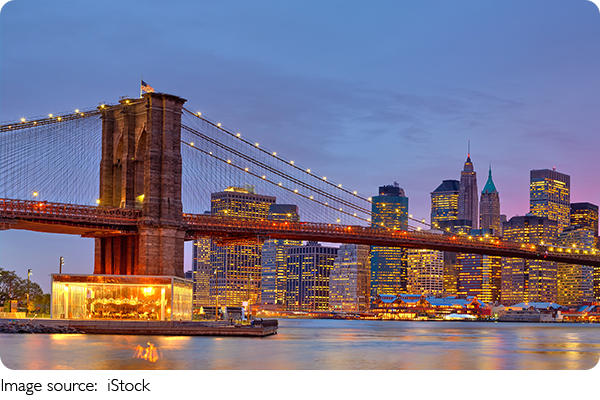
An elevated bridge is designed to lift vehicles or pedestrians above ground-level obstacles, often spanning rivers, valleys, or busy city streets. These bridges are commonly constructed with reinforced concrete, steel, or a combination of both. Modern examples often include pedestrian walkways, cycling lanes, and observation platforms, providing functional and recreational value.
How "Quantumania" pushes Marvel into stranger, funnier dimensions
Is your child acting different lately? These signs may matter more than you think!
Feeling drained or anxious? Bullying can affect emotions in ways we don’t see!
Cambridge Researchers Say Your Child's Money Habits Are Set by Age 7. Here's How to Shape Them!
What If Bitcoin’s Value Isn’t in Your Coins…But in the Fortress Behind Them?
Think Bitcoin Is Anonymous? One Simple Link Can Reveal More Than You Expect
From a visitor's perspective, it's worth noting that elevated bridges vary widely in accessibility. Some, like urban overpasses, primarily serve commuters, while others are tourist-friendly structures offering panoramic viewpoints. For instance, the Skywalk Bridge in certain cities includes glass panels for a thrilling view, while rural elevated bridges may provide scenic overlooks of rivers, mountains, or farmland.
Practical Tips for Visitors
• Timing Your Visit: Early mornings or late afternoons are ideal. Morning light softens shadows for photography, while sunsets often bathe the bridge and surrounding landscape in warm, golden hues. Traffic tends to be lighter at these times, which makes walking or cycling across more pleasant.
• Access and Entry Fees: Most urban elevated bridges are free to cross for pedestrians, but some tourist-oriented bridges may charge entry fees ranging from $5–$15 USD. These often include access to observation decks or guided tours that explain the bridge's engineering and history.
• Transportation Options: Depending on the location, elevated bridges are reachable by public transport, private vehicle, or even bicycle. In cities, metro stations or bus stops are often nearby, while rural bridges may require a short hike or shuttle ride from the nearest town. Parking availability can vary, so planning ahead ensures a stress-free visit.
• Safety Considerations: Check local signage for weight limits, pedestrian restrictions, or construction notices. Many bridges have viewing platforms or glass floors; while safe, they can be intimidating for those with vertigo. Comfortable walking shoes and minimal baggage make navigating these spaces easier.
Experiencing the Bridge
Walking or cycling across an elevated bridge is an experience in itself. The height offers unique photo opportunities, from sprawling cityscapes to glimpses of hidden alleys below. For birdwatchers or wildlife enthusiasts, bridges that span rivers or wetlands provide vantage points for observing migratory birds or aquatic life.
Urban bridges often become social spaces. Food vendors or small cafés near the ends allow visitors to linger, enjoy a snack, and watch the hustle below. Some bridges host events, like art installations, light shows, or seasonal festivals, turning what might seem like a mere transportation route into a cultural destination.
Design Highlights and Engineering Wonders
Modern elevated bridges often feature innovative engineering solutions. Cable-stayed bridges, for example, use tensioned cables connected to tall pylons to distribute weight, creating a visually striking silhouette. Box girder bridges rely on a hollow, rectangular beam structure to combine strength with lightweight efficiency.
Understanding these designs can deepen appreciation when observing structural details up close—like the crisscrossing cables or the smooth curves of a steel arch.
Some bridges are designed with sustainability in mind, incorporating LED lighting, solar panels, or rainwater collection systems. For environmentally conscious travelers, this adds another layer of interest beyond the aesthetics and functionality.
Local Insights
• Best Viewing Spots: Often, the midpoint of the bridge offers the clearest view of both ends and the surrounding landscape. Some elevated bridges have designated observation areas with benches or binoculars.
• Avoid Crowded Times: In urban settings, rush hour can be overwhelming, making pedestrian access challenging. Visiting mid-morning or early evening ensures a calmer experience.
• Photography Tips: Use a wide-angle lens for sweeping shots and consider capturing the bridge at different times of day for varying light and mood. Drone photography may be restricted, so always check local regulations.
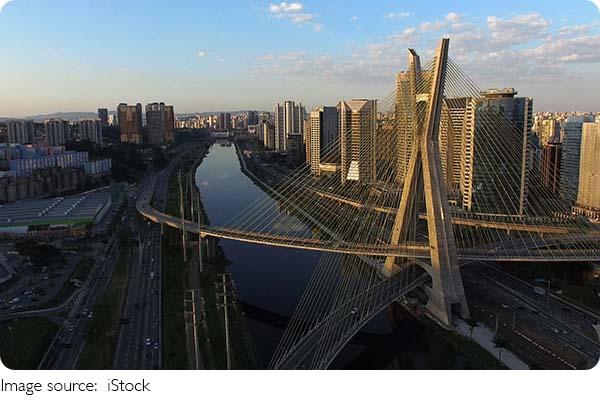
Elevated bridges are more than functional infrastructure—they offer a new lens through which to view both urban and natural environments.
They merge practicality with beauty, allowing travelers to see the city or countryside from a perspective few normally experience. Whether you're strolling along a modern urban span or cycling over a scenic river bridge, the journey across offers moments of reflection, discovery, and simple awe at human ingenuity.
Taking the time to explore these structures can reveal hidden details and unexpected vistas, transforming a routine crossing into an enriching part of your travels.