Sardinia First Trip Tips!

Arvind Singh
| 03-02-2026

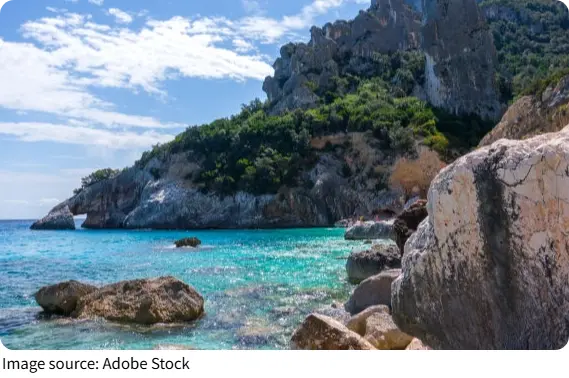
Sardinia, Italy’s second-largest island, is a jewel in the Mediterranean with pristine beaches, rugged mountains, ancient ruins, and charming villages.
For first-time visitors, exploring this island can feel both exciting and overwhelming due to its size and diversity.
Best Time to Visit
The ideal time to visit Sardinia is between late May and early October. Summer months, particularly July and August, bring the warmest temperatures, averaging 85–95°F, ideal for beach activities but also crowded. Spring and early autumn offer pleasant weather with temperatures between 70–80°F, fewer tourists, and lower accommodation costs. Winters are mild but less suitable for swimming, and some rural attractions may have limited hours.
Textures, patterns, and landscapes! Learn to capture natural aerial views in your own art!
Why this golden hour view feels unreal—and how to experience it right.
A quiet Dolomites village where timing matters more than filters!
A practical way to enjoy Phang Nga Bay without feeling rushed!
One Ancient Temple, 5 Smart Tips to Experience Kyoto's Most Iconic Pagoda Right.
Why Seeing Paris From Above Changes Everything You Think You Know!
How to Get There
Sardinia is accessible by both air and sea.
By Air: There are three main airports: Cagliari Elmas in the south, Olbia Costa Smeralda in the northeast, and Alghero Fertilia in the northwest. Direct flights from major European cities are common, while flights from the United States usually connect through Rome or Milan. Domestic flights within Italy can also be convenient for travelers visiting multiple regions.
By Ferry: Ferries connect Sardinia to several Italian ports, including Genoa, Civitavecchia, and Livorno. The ferry experience is scenic, especially if you book a cabin for overnight crossings. Prices for passengers start around $55, with cars costing approximately $85 extra.
Once on the island, renting a car is highly recommended. Sardinia’s public transportation is limited, and many attractions, beaches, and hiking trails are in remote areas. Car rentals start at $40 per day for a compact vehicle and $70 for larger options.
Must-See Attractions
Costa Smeralda: Known for its dazzling turquoise waters and hidden coves, Costa Smeralda is perfect for beach lovers. Popular beaches like Spiaggia del Principe are free to access, while some private beach clubs charge around $20–$30 for day use. Early mornings or late afternoons are ideal to avoid crowds.
La Maddalena Archipelago: A short ferry ride from Palau leads to this group of islands renowned for crystal-clear waters and hiking trails. Ferries cost about $15 for a one-way ticket, and day tours are available for roughly $65.
Cagliari and Historical Sites: Sardinia’s capital features charming medieval districts like Castello and Roman amphitheaters. The National Archaeological Museum of Cagliari has an entrance fee of $12.
Nuragic Complexes: Sardinia is home to thousands of prehistoric stone towers known as nuraghes. Su Nuraxi in Barumini is a UNESCO World Heritage Site. Guided tours cost around $18 and offer a deep dive into ancient Sardinian civilization.
Gola di Gorropu: One of Europe’s deepest canyons, perfect for hiking and nature photography. Entry is free, but access requires a short guided walk from the parking area, and proper hiking shoes are essential.
Accommodation Tips
Sardinia offers options ranging from boutique hotels to countryside agriturismos. Coastal resorts are popular in summer, but inland accommodations provide more authentic experiences. Prices for mid-range hotels start around $90 per night, while agriturismos or bed-and-breakfasts can be found for $60–$80 per night. Booking in advance is crucial during peak season.
Food and Dining
Sardinian cuisine is rooted in fresh, local ingredients. Seafood is abundant, and regional specialties include roasted lamb, fresh pasta with ricotta, and various breads unique to the island. Meals at mid-range restaurants cost between $25–$40 per person, excluding drinks. Markets in towns and villages are excellent for sampling local fruits, cheeses, and bread at lower prices.
Tips for Travelers
Transportation: A car is essential if you want to explore beyond major towns. Roads are generally well-maintained but can be narrow in rural areas. GPS or offline maps are helpful.
Cash vs Card: While credit cards are widely accepted, smaller rural establishments may prefer cash. ATMs are available in towns, but remote areas may have limited access.
Safety and Health: Sardinia is generally safe for tourists. Standard travel insurance is recommended. Beaches can be rocky, so water shoes are useful. Sunscreen and hydration are essential during summer months.
Language: Italian is the official language, though English is commonly understood in tourist areas. Learning a few basic Italian phrases enhances the experience in smaller villages.
Local Etiquette: Respecting local traditions is important. Avoid loud behavior in villages, and note that some sites require modest clothing.
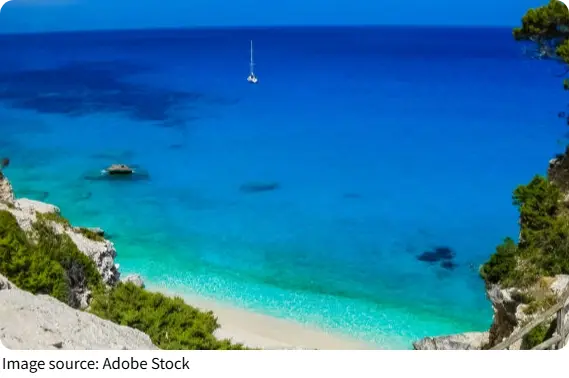
Sardinia is a destination that rewards curiosity and planning. Every corner of Sardinia holds a story waiting to be discovered, and venturing beyond the typical tourist paths offers the most authentic and unforgettable experiences.