Lofoten Islands Travel Guide
Caleb Ryan
| 02-02-2026

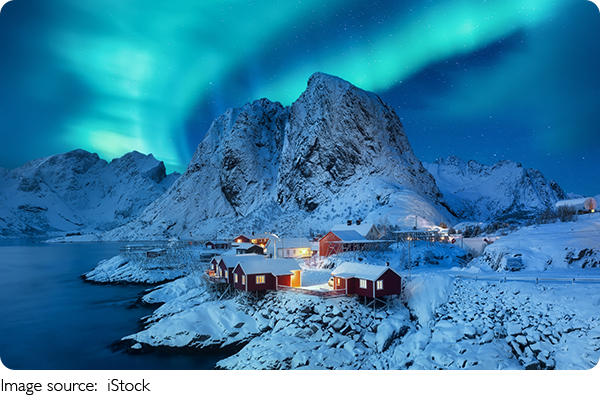
Have you ever stared at a postcard and wondered if real life could feel the same? That's exactly what hitting the Lofoten Islands feels like. Jagged peaks rise straight from the water, tiny red cabins dot the shoreline, and the northern light plays tricks on your eyes long after sunset.
It's a scene you've seen in photos, but being there—really there—changes your sense of scale and stillness entirely. The Lofoten Islands are famous for their dramatic landscapes, fishing villages, and outdoor adventures. But if you go without a plan, it's easy to miss the best moments. Here's how to make the most of a trip here.
Must-See Attractions
1. Reine
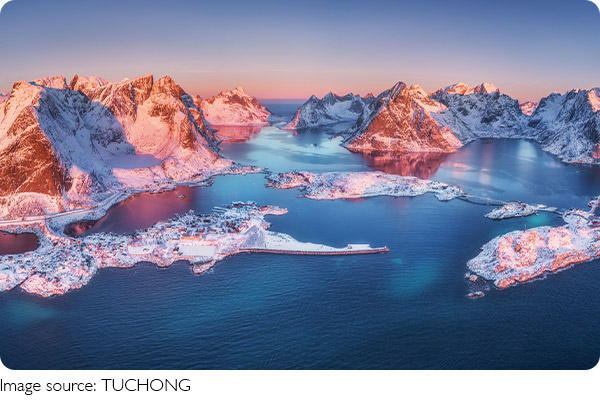
Often called the jewel of Lofoten, Reine is a small fishing village that feels almost frozen in time. Its harbor is framed by steep mountains, and the rorbu—traditional fishermen cabins—offer the perfect spot for photos or overnight stays. Sunrise over the fjord is unforgettable, so try to be awake early.
Kinderdijk: Where Dutch history turns with the wind.
Discover practical tips for exploring Cinque Terre's colorful village!
Practical tips for exploring Lake Como's colorful lakeside town!
Explore Hintersee Lake This Summer: Stunning Views, Fun Boating, Scenic Trails, and Delicious Local Eats!
Watch Trains Glide Over Switzerland’s Landwasser Viaduct—Complete Travel Guide with Prices, Tips, and Scenic Spots!
Discover Castle Hill Lighthouse: Stunning New England Views, Scenic Walks, Dining, Hotels, and Insider Travel Tips!
2. Hamnøy
Just a few minutes from Reine, Hamnøy is quieter but equally stunning. Its classic red cabins perched on rocks make it a favorite for photographers. Walking along the pier gives different angles of the mountains mirrored in the water.
3. Svolvær
The largest town in Lofoten, Svolvær is where you can book fishing trips, sea kayaking, or Northern Lights tours. It's also home to the famous Svolvær Goat peaks, which are ideal for hiking if you want a panoramic view of the islands.
When to Visit
Timing matters if you want to capture the iconic landscapes.
• Summer (June to August): Long days and the midnight sun give you more time for photography and hikes. Temperatures are mild, but popular spots can be crowded.
• Autumn (September to October): Fewer tourists, golden light, and a chance to see the Northern Lights start appearing.
• Winter (December to February): Ideal for serious Northern Lights chasers, but be prepared for snow and limited daylight.
How to Get There
1. By Air:
The main airport is Leknes or Svolvær. Flights from Oslo or Tromsø take about 1.5 hours. Tickets generally range from $80–$150 USD one way.
2. By Ferry:
You can also arrive from Bodo via ferry. It's a longer option but offers a scenic approach. Expect $50–$70 USD per person.
3. Local Transportation:
Renting a car is the most practical way to explore Lofoten. Buses exist but are infrequent, and many scenic spots are off the main route. Roads are well-maintained but narrow in places.
Accommodation Tips
Staying in a traditional rorbu cabin is a must for the authentic Lofoten experience. Prices vary by season, but you can expect $120–$250 USD per night. Book early for summer, as demand skyrockets. Some cabins have kitchens, which is great for self-catering and trying local seafood from nearby markets.
Local Tips for a Smooth Visit
1. Arrive early at popular spots like Reine or Hamnøy to beat the crowds and catch morning light.
2. Layer up for weather changes. Lofoten's weather can shift from sunny to rainy within minutes.
3. Plan hikes wisely. Trails are beautiful but can be slippery, so good shoes and proper gear are essential.
4. Check ferry schedules if you plan to island-hop. Some services only run a few times a day.
5. Carry cash for small local purchases, although most places accept cards.
Why Lofoten Stays in Your Memory?
The islands aren't just about epic views—they're about how it feels to be tiny in a world so vast. Watching sunlight hit jagged peaks, smelling the salt in the air, and hearing quiet waves lap against red cabins sticks with you long after leaving. Unlike other tourist-heavy destinations, Lofoten invites you to slow down, walk more, and notice details: the textures of mountains, the patterns of fishing nets, the glow on water at sunset.
Next time you think of a “must-see” destination, imagine a place where every angle feels like it belongs in a magazine—but the real magic is standing there, breathing it in yourself. The Lofoten Islands aren't just a destination. They're an experience you carry with you.