How to Make Miso Soup

Finnegan Flynn
| 23-01-2026

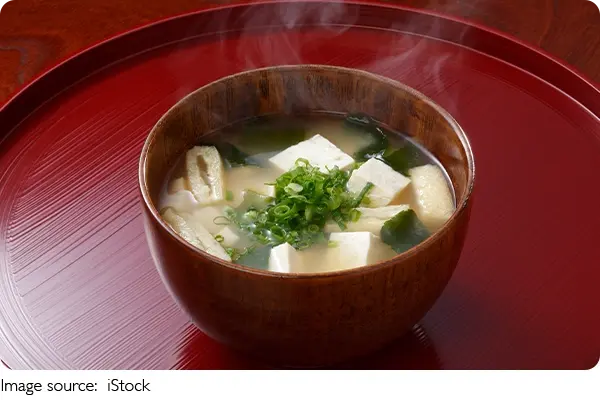
Nothing beats the soothing warmth of a bowl of miso soup on a chilly day. Its savory flavor, combined with soft tofu, seaweed, and green onions, makes it a staple in Japanese meals and a surprisingly simple dish to prepare at home.
With a few key ingredients and easy techniques, you can make miso soup that tastes fresh, balanced, and satisfying.
1. Essential Ingredients for Miso Soup
The heart of miso soup lies in its ingredients, which are simple yet essential for achieving authentic flavor.
- Miso paste comes in different varieties—white (milder), red (stronger), or mixed. Start with white miso for a subtle, approachable taste. Measure about 1–2 tablespoons per cup of broth, adjusting to your preference.
Discover the flavors and textures that make these noodles a favorite.
Simple tips to cook fluffy, flavorful rice like a pro.
Discover How We Make the Perfect Alcohol-Free Plum Pudding with Cream That Everyone Will Love This Holiday Season!
Discover How This Tangy Citrus Can Refresh Your Body Inside Out.
Discover which ice cream really wins in taste, texture, and convenience.
Discover the rich, chocolatey drink that warms both hands and heart.
- Dashi, the traditional Japanese stock, provides umami depth. You can make it from scratch using kombu (seaweed) and dried bonito flakes, or use instant dashi granules for convenience.
- Common add-ins include tofu, wakame seaweed, and sliced green onions. Soft tofu cut into small cubes adds creaminess, while wakame rehydrates quickly and contributes a delicate flavor.
By understanding each component, you can mix and match ingredients to create variations of miso soup without losing the comforting essence.
2. Preparing the Dashi Stock
Dashi is the foundation that gives miso soup its umami richness.
- For a simple homemade version, soak a 4-inch piece of kombu in 2 cups of water for 30 minutes, then heat gently until just before boiling. Remove the kombu to avoid bitterness.
- Add a handful of bonito flakes, simmer for 2–3 minutes, then strain the stock. This results in a clear, flavorful dashi.
- If short on time, dissolve instant dashi granules in hot water following package instructions. This shortcut still delivers a tasty base for miso soup.
Mastering dashi ensures that your soup has depth and complexity without requiring hours of cooking.
3. Incorporating Miso Paste
Adding miso paste properly is key to preserving its flavor and nutrients.
- Remove a small amount of hot dashi into a separate bowl and whisk in the miso paste until smooth. This prevents clumps and ensures even distribution.
- Return the miso mixture to the saucepan, stirring gently. Avoid boiling after adding miso, as high heat can destroy its delicate flavors and beneficial probiotics.
- Taste and adjust. Depending on your preference, add more miso for saltiness or dilute slightly with extra dashi for a lighter flavor.
This method keeps the soup smooth, flavorful, and nutrient-rich.
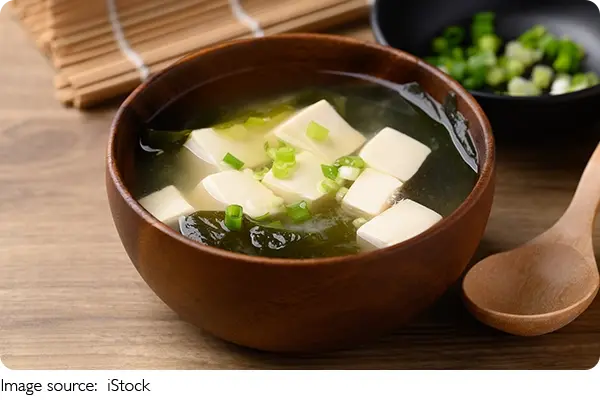
4. Adding Tofu, Seaweed, and Vegetables
The toppings make each bowl of miso soup unique and nutritious.
- Cut silken or firm tofu into small cubes and add them gently to avoid breaking. Tofu absorbs the umami flavors and gives the soup body.
- Rehydrate dried wakame in water for a few minutes, then drain and add to the soup. Seaweed provides a delicate taste and minerals.
- Enhance texture and color with thinly sliced green onions, mushrooms, or even carrots. Add these ingredients toward the end of cooking to retain freshness and crunch.
These additions not only boost flavor but also make the soup visually appealing and balanced.
5. Serving and Enjoying Miso Soup
Presentation and timing elevate the eating experience.
- Serve immediately while warm. Miso soup is best enjoyed fresh, as the flavors can fade or change if stored too long.
- Pair with rice or other dishes for a complete meal. A small bowl of miso soup complements grilled fish, sushi, or a light salad.
- Experiment with different combinations. Try adding shiitake mushrooms, baby spinach, or seasonal vegetables for variety and nutrition.
Enjoying miso soup is as much about the ritual as it is about flavor. Preparing it yourself gives a sense of satisfaction and comfort with every spoonful.
Miso soup may seem simple, but its layers of flavor, texture, and nutrition make it a remarkable dish. By carefully preparing dashi, incorporating miso paste correctly, and adding tofu, seaweed, and vegetables, you can create a bowl that warms both the body and soul. Whether as a starter, a light meal, or a comfort food on a rainy day, mastering miso soup opens up a delicious and versatile part of your culinary repertoire.