Whole Fruit vs. Fruit Juice

Mason O'Donnell
| 02-02-2026

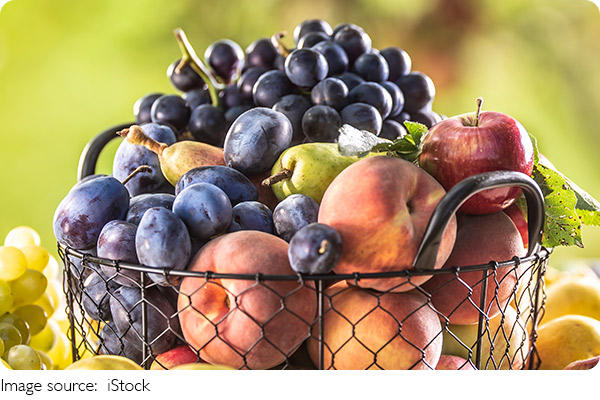
It's a common scene: a smoothie in one hand, a crisp apple in the other. Both feel healthy, but have you ever paused to wonder which actually benefits your body more?
The answer isn't as simple as it seems. Let's break down the differences so you can make the best choice for your health.
Nutrient Differences Between Whole Fruits and Juice
Whole fruits and fruit juices both contain vitamins and minerals, but the way these nutrients are delivered makes a difference.
1. Fiber Content – Experts from the Mayo Clinic explain that juicing removes most of the natural dietary fiber found in fruits like oranges, leaving behind a liquid that lacks the digestive and blood-sugar benefits of whole fruit. Dietary fiber from whole fruits slows digestion, helps maintain steady blood sugar levels, and supports overall digestive and heart health. For example, eating an orange provides about 3 grams of fiber, whereas a glass of orange juice may contain less than 1 gram.
Beat the heat with these juicy picks that boost energy and hydration.
Discover a nutritious, energizing drink that fuels your mornings.
Discover how a simple cup of mint tea can boost digestion, focus, and mood.
Can a light cake and fresh fruit turn a celebration into a calm shared memory?
Make This Creamy Italian Risotto at Home and Impress Everyone With Gourmet Flavors!
Discover the surprising benefits of going meat-free just one day a week!
2. Vitamin Retention – Some vitamins, like vitamin C, remain fairly stable in fresh juice, but processing and storage can reduce their levels. Eating fruit in its natural form ensures you get the full spectrum of vitamins and antioxidants.
3. Sugar Absorption – In juice form, natural sugars are more concentrated and absorbed quickly, which can spike blood sugar levels. Whole fruits release sugars slowly because fiber slows digestion, creating a steadier energy boost.
Impact on Satiety and Weight Management
How full you feel after eating can influence your overall calorie intake, which makes whole fruit a better choice in many cases.
1. Feeling Full – The fiber in whole fruit increases satiety. For instance, munching on an apple before lunch can reduce the likelihood of overeating, while drinking a glass of apple juice may not curb hunger as effectively.
2. Calorie Density – Juice often packs more calories per serving. One cup of grape juice can have nearly the same sugar content as several grapes, meaning it's easier to consume extra calories without noticing.
3. Portion Awareness – It's easier to overconsume juice. Pouring multiple glasses feels normal, but eating the equivalent number of whole fruits takes more time and effort, naturally limiting intake.
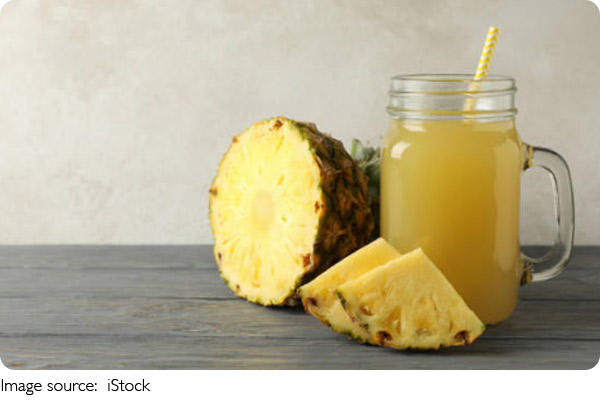
Convenience vs. Nutritional Benefits
Juice is convenient, portable, and often tasty, which explains its popularity, but convenience comes with trade-offs.
1. Quick Energy – Juice can be useful for a fast energy boost, especially before or after exercise. For example, a small glass of fresh orange juice can replenish glycogen stores after a workout.
2. Nutrient Variety – Whole fruits often contain antioxidants, polyphenols, and phytonutrients that may be lost during juicing. A handful of blueberries or a sliced kiwi delivers nutrients in their most natural, bioavailable form.
3. Mindful Eating – Eating fruit requires chewing, which encourages mindful consumption. This simple act can improve digestion and help your brain register fullness cues more effectively.
Practical Tips for Including Fruits in Your Diet
Balancing whole fruits and juice can maximize health benefits without sacrificing convenience.
- Combine Approaches – Enjoy whole fruits throughout the day and limit juice to one small glass if desired. For example, start your morning with a banana and save a glass of fresh juice for a mid-afternoon pick-me-up.
- Mix with Other Foods – Pair fruits with protein or healthy fats to further slow sugar absorption. Adding orange slices to Greek yogurt or berries to oatmeal is an easy option.
- Watch Serving Sizes – Keep juice portions small, ideally around 120 ml (4 ounces), and avoid sugary store-bought blends.
- Focus on Variety – Rotate fruits to get different vitamins, minerals, and antioxidants. Apples, berries, citrus, and melons all provide unique benefits.
Whole fruits offer a combination of fiber, nutrients, and natural satiety that juice can't match, but small servings of fresh juice can still play a role, especially when convenience is key. By understanding the differences, you can make informed choices that support energy, digestion, and long-term health. Next time you reach for a snack, ask yourself: do I want a quick sugar rush, or a nourishing bite that keeps me full and energized? The answer might just guide your best choice.