Introduction to Sushi

Caleb Ryan
| 23-01-2026


Walking into a sushi restaurant for the first time can feel like stepping into a different world. The colorful rolls, delicate slices of fish, and the quiet rhythm of chefs at work might seem overwhelming.
But once you understand the basics, sushi becomes an approachable and enjoyable experience. From types of sushi to essential etiquette and preparation tips, getting familiar with sushi opens up a world of flavors and textures.
1. Understanding Different Types of Sushi
Sushi isn't just one dish—it's a variety of styles with unique ingredients and presentations.
- Nigiri is a simple yet elegant form: a slice of fresh fish or seafood pressed over a small mound of vinegared rice. To try it at home, use fresh salmon or tuna and lightly press onto compacted rice with your fingers.
Master the simple steps to a flavorful and comforting miso soup.
Discover the flavors and textures that make these noodles a favorite.
Simple tips to cook fluffy, flavorful rice like a pro.
Discover How We Make the Perfect Alcohol-Free Plum Pudding with Cream That Everyone Will Love This Holiday Season!
Discover How This Tangy Citrus Can Refresh Your Body Inside Out.
Discover which ice cream really wins in taste, texture, and convenience.
- Maki rolls feature rice and fillings wrapped in seaweed. Popular examples include cucumber roll, spicy tuna roll, or avocado roll. Rolling mats and a little practice make homemade maki achievable.
- Sashimi is thinly sliced fish served without rice. Though not technically sushi, it's often part of sushi meals and emphasizes the flavor and freshness of the fish itself. Start with salmon or tuna and focus on slicing evenly for best results.
By learning these basics, you can navigate menus confidently and try making sushi at home with guidance from videos or simple recipes.
2. Choosing Fresh Ingredients
Fresh ingredients are the backbone of good sushi.
- Fish should have a mild scent and firm texture. Avoid any strong “fishy” smell. Salmon, tuna, and shrimp are beginner-friendly options.
- Rice is equally important. Sushi rice should be slightly sticky but not mushy. Season with rice vinegar, sugar, and a pinch of salt for authentic flavor.
- Vegetables like cucumber, avocado, and pickled radish provide crunch and contrast. Wash, peel, and slice evenly to create consistent rolls.
Understanding freshness ensures your sushi tastes bright, clean, and satisfying every time.
3. Tools and Techniques for Home Sushi
Even simple sushi requires a few basic tools.
- A bamboo rolling mat helps shape maki rolls evenly. Practice rolling with plastic wrap first to avoid sticking.
- Sharp knives are essential for slicing fish and rolls cleanly. Dull knives crush the ingredients, affecting presentation and texture.
- Hands-on technique matters. Wet your fingers when handling rice to prevent it from sticking, and press gently for compact, even nigiri.
Using the right tools and techniques helps make the process smooth and the results professional-looking.

4. Sushi Etiquette and Enjoyment
Knowing a few etiquette tips enhances your sushi experience.
- Use soy sauce sparingly—dip fish side down rather than rice to prevent rice from falling apart.
- Ginger is meant as a palate cleanser, eaten between different types of sushi.
- Wasabi can be added directly to nigiri or mixed into soy sauce for rolls. Experiment lightly until you find your preferred balance.
These small practices make eating sushi more respectful and enjoyable, whether dining out or at home with friends.
5. Exploring Flavors and Creativity
Sushi is as much about creativity as tradition.
- Try adding unique fillings like mango, cream cheese, or spicy mayo to rolls at home.
- Experiment with textures: crunchy tempura flakes, smooth avocado, or soft egg omelet add variety.
- Pair sushi with complementary drinks like green tea or sparkling water to enhance flavors without overpowering them.
Exploring flavors lets you appreciate the versatility of sushi and personalize your experience.
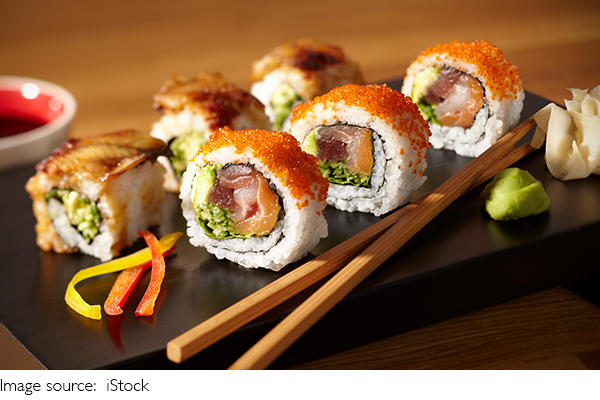
Sushi is an art form and a culinary adventure. By understanding the different types, choosing fresh ingredients, mastering simple techniques, observing etiquette, and experimenting with flavors, anyone can enjoy sushi confidently. Whether making it at home or savoring it in a restaurant, these fundamentals turn a potentially intimidating experience into an approachable and delicious journey.