Tō-ji Temple Travel Guide

Ethan Sullivan
| 02-02-2026

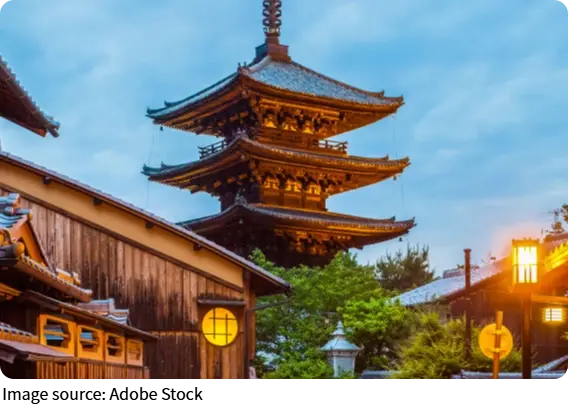
You feel it before you see it. Walking south from Kyoto Station, the streets slowly quiet down, and then the pagoda appears above the rooftops. It doesn't shout for attention. It just stands there—tall, steady, and completely unbothered by the modern city around it.
That first glimpse of Tō-ji often catches people off guard, especially if they weren't expecting something so old to feel so present.
Tō-ji Temple is one of Kyoto's most approachable historic sites, yet many visitors rush through it. The problem isn't lack of beauty. It's that people don't know how to visit it well. With the right timing and a bit of context, Tō-ji becomes more than a quick stop—it becomes a place to slow down.
Why Tō-ji feels different from other temples?
Why Seeing Paris From Above Changes Everything You Think You Know!
A dramatic Arctic escape where mountains, fishing villages, and changing light turn every moment into a postcard come to life.
Kinderdijk: Where Dutch history turns with the wind.
Discover practical tips for exploring Cinque Terre's colorful village!
Practical tips for exploring Lake Como's colorful lakeside town!
Explore Hintersee Lake This Summer: Stunning Views, Fun Boating, Scenic Trails, and Delicious Local Eats!
Founded in the late 8th century, Tō-ji is best known for its five-story pagoda, the tallest wooden pagoda in Japan. But what makes the temple special isn't just height or age. It's space.
Unlike temples packed into narrow streets, Tō-ji opens up as soon as you enter. Wide paths, open courtyards, and clear sightlines give the place room to breathe. You're not forced into a single route. You can choose where to linger.
That sense of openness creates less pressure, more quiet moments, and time to observe details instead of rushing to the next spot.
Main sights you shouldn't skip
You don't need to see everything, but a few areas deserve your time.
1. Five-story pagoda
This is the heart of Tō-ji. From different angles, the pagoda feels completely different. Step back far enough and you'll notice how it lines up with the sky instead of dominating it.
2. Kondō (Main Hall)
Entry is included with the paid area. Inside, the lighting is low and calm. Give your eyes time to adjust before moving around.
3. Kōdō (Lecture Hall)
This space is often quieter than the main hall and holds a powerful atmosphere without feeling overwhelming.
Opening hours and ticket prices
Tō-ji is open daily, but hours shift slightly by season.
• Temple grounds:
Around 8:00 a.m. to 5:00 p.m.
• Paid area (halls and pagoda grounds):
Usually closes 30 minutes earlier than the outer grounds
Entrance fees are straightforward:
• Paid area ticket: about $4–5 USD per one
Prices are stable and posted clearly at the entrance.
Best time to visit (and when to avoid)
Timing makes a bigger difference here than most people expect.
1. Early morning is best
Arrive shortly after opening. Light is soft, and tour groups haven't arrived yet.
2. Late afternoon works well
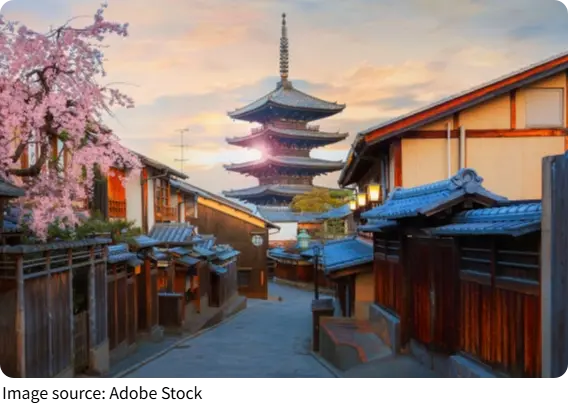
After 3:30 p.m., crowds thin out. The pagoda looks especially striking as shadows grow longer.
3. Avoid mid-morning weekends
This is when large groups tend to arrive, especially during peak travel seasons.
How to get there easily
Tō-ji is one of the easiest historic sites to reach in Kyoto.
• On foot
About a 15-minute walk from Kyoto Station. Flat and well-marked.
• By train
Take the Kintetsu Line to Tōji Station. From there, it's a 5-minute walk.
• By bus
Several city buses stop nearby, but walking is often faster and calmer.
Because it's close to the station, many people visit too quickly. Resist that urge.
The flea market most visitors don't plan for
On the 21st of each month, Tō-ji hosts a large flea market known for antiques, crafts, and local goods. The grounds feel completely different on these days—busier, louder, and more social.
If you enjoy browsing and people-watching, it's worth timing your visit. If you want quiet reflection, choose a different day.
Small habits that improve your visit
A few simple choices can change the whole experience.
1. Walk the outer grounds before entering paid areas
2. Sit on a bench and watch how visitors move through the space
3. Take one slow loop instead of doubling back for photos
These habits help you notice subtle details, shifting light, and natural pauses that most people miss.
Etiquette that actually matters
Tō-ji is still an active site. Keep voices low near halls, follow posted signs, and don't rush inside spaces where others are pausing. Photography is allowed in many outdoor areas, but always check before taking photos indoors.
The calm here depends on shared behavior.
Why Tō-ji stays with people?
Tō-ji doesn't impress through complexity. It stays with you because of how balanced it feels. Old structures sit comfortably beside modern streets. Visitors move at different speeds without clashing.
As you leave and the pagoda slowly disappears behind buildings, it's worth asking yourself something simple: did you walk through it, or did you actually spend time there?
If you give Tō-ji even an extra half hour, it quietly shows you that some places don't need to compete for attention. They just need you to slow down enough to notice them.